
Homeowners could be facing another adjustment in how their water bills are calculated following a council-approved program in 2024 that, instead of reducing bills as promised, ended up increasing them for many. To address this issue, the council has now set fixed rates aimed at ensuring that most homeowners will pay less for their water this year compared to 2024 levels. However, this adjustment has resulted in postponing sewer enhancement projects planned for 2026 to 2027, potentially necessitating rate hikes to align with Windsor’s sewer master plan.
Mayor Drew Dilkens has issued a directive urging staff to revisit the program with specific objectives, including providing transparent information for all customers to manage costs effectively, ensuring equitable storm water fees for major contributors, maintaining savings for residential customers, and generating sufficient funds to cover storm water expenses and infrastructure investments outlined in the city’s sewer master plan.
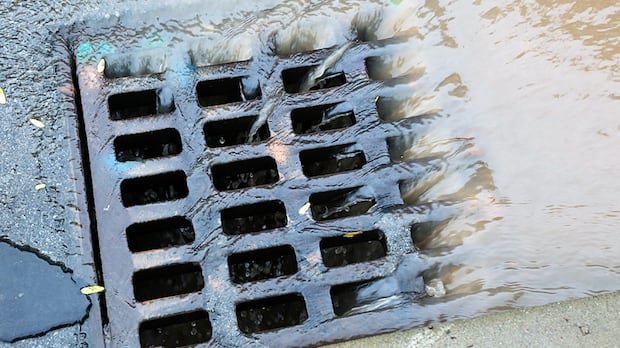
The changes to water billing in 2024 introduced separate charges for wastewater and storm water management, shifting costs from homeowners to commercial and industrial property owners. Storm water fees are now determined based on the size of impermeable areas on a property, such as asphalt surfaces that contribute to runoff into the sewer system. After initial challenges with the program in early 2025, adjustments were made, prompting a budget shortfall in storm water and wastewater due to increased operational and staffing costs.
To bridge the budget gap, the city plans to utilize $5.5 million from a reserve fund of $19.5 million to maintain operations and fund essential projects, leading to the deferral of some sewer enhancement initiatives to 2027. However, relying on reserves for the program transition is deemed unsustainable in the long run, necessitating consideration of alternative funding sources like government grants or reevaluating the sewer master plan.
Mayor Dilkens and property owners like Joe Mikhail have expressed concerns over the current program’s impact on businesses and residents. Mikhail, a local property owner, highlighted the escalating costs, particularly the new storm water fees, which have led to vacancies in his properties and substantial financial burdens. Despite a credit system offering reductions for property owners who mitigate storm water runoff, challenges persist, with some owners spending significant sums on engineering reports to qualify for credits.
Moving forward, city staff will present a report to council for approval, addressing these issues and potential solutions to support property owners and ensure a fair and sustainable water billing system. The timeline for this report’s submission to council remains uncertain.