
The United Arab Emirates announced on Saturday that it has completed the withdrawal of all its troops from Yemen amid heightened tensions within the conflict-ridden nation, particularly with Saudi Arabia. The U.A.E. Defense Ministry stated that the withdrawal was in line with a decision to conclude the remaining missions of its counterterrorism units. While specific details on the number of soldiers and equipment moved were not disclosed, there have been noticeable Emirati military cargo flights to and from Yemen recently.
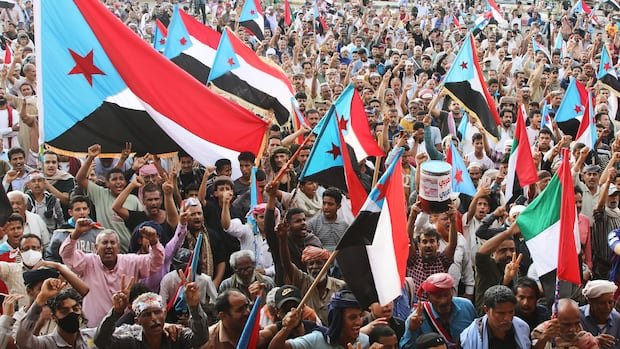
Yemen’s Southern Transitional Council (STC), a separatist movement backed by the U.A.E., revealed a constitution for an independent nation in the south and called for acceptance from other factions in the country. The STC’s proclamation of independence for the south raised questions on its feasibility and practical implications.
In a recent development, fighters affiliated with the STC seized control of two southern provinces from Saudi-supported forces and overtook the Presidential Palace in Aden, the main city in the south. Following this, members of the internationally recognized government, previously based in Aden, sought refuge in Riyadh, the capital of Saudi Arabia. Saudi airstrikes targeted camps and military positions held by the STC in Hadramout province as part of efforts to regain control, according to a separatist official.
The escalating tensions have led to direct intervention by Saudi Arabia against STC forces, including strikes and intercepting a purported shipment of Emirati weapons destined for the separatists. The Saudi-led coalition, which includes the U.A.E., has been combating the Houthi rebels, backed by Iran, who control northern Yemen in the ongoing civil war. Despite the coalition’s primary objective of restoring the internationally recognized government displaced by the Houthis, internal rifts among the factions and Gulf nations risk fracturing the coalition and exacerbating the turmoil in Yemen, the Arab world’s most impoverished nation.