
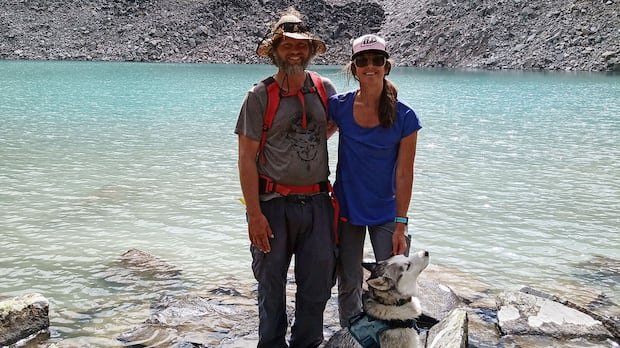
A pair residing in Radium Hot Springs, B.C., were caught off guard by the dangers of traplines on public Canadian land following the tragic death of their husky Moon in a baited trap near their residence earlier this month. Sean Boxall described the incident as a traumatizing event and emphasized the need for increased awareness regarding the presence of traps in the backcountry of British Columbia. Boxall and his partner, Nicole Trigg, are advocating for the prohibition of commercial traplines on public land, excluding Indigenous harvesting and trapping rights.
In the commercial trapping sector, governed by the Wildlife Act, fur-bearing animals such as lynx, fox, bobcats, wolves, and mink are targeted for their pelts rather than meat. The British Columbia Conservation Officer Service confirmed that the trap responsible for Moon’s death was legally set by a licensed trapper, absolving any wrongdoing. The incident has sparked a call for trapping reform, with a focus on enhancing public education on trapping practices to prevent similar tragedies in the future.
Conibear traps, like the one that claimed Moon’s life, employ a spring-loaded mechanism designed to swiftly capture and kill medium to large animals for their pelts. The trappers association acknowledged the distressing outcomes that can occur when unintended species are ensnared by traps. Boxall recounted the heartbreaking moments of trying to save Moon from the trap, sustaining an injury in the process.
The trappers association stressed the importance of educating the public on safe backcountry practices, especially as more people venture into Crown land. It highlighted the distinction between commercial trapping and traditional Indigenous trapping, emphasizing the cultural significance and sustainability of the latter. Regulations based on ecological data guide trappers to prevent over-harvesting and unintended trapping of non-target species.
Despite efforts to adhere to humane trapping standards, concerns persist regarding the ethical implications of trapping methods. Advocacy groups like the Fur-Bearers are pushing for stricter regulations, including mandatory warning signs for active commercial traps and increased setbacks from inhabited areas. The provincial government has invited public feedback on proposed changes to the International Humane Trapping Standards certified trap list until Feb. 13.
The incident has sparked a broader conversation on trapping practices and the need for enhanced safety measures in trapping areas.