
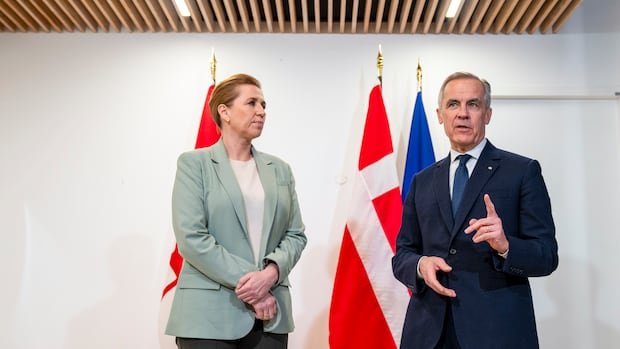
The coalition of nations gathered in Paris on Tuesday for discussions on Ukraine, setting the stage for unpredictable outcomes. Prime Minister Mark Carney and leaders from around 30 countries convened in the French capital to address various challenges.
As European leaders grappled with the repercussions of U.S. military actions in Venezuela and their impact on Ukraine’s ceasefire efforts, Carney faced political fallout over Chrystia Freeland’s new role as an economic adviser to Ukrainian President Volodymyr Zelenskyy while still serving as a Member of Parliament. Freeland, a former cabinet minister and Canada’s former envoy to Ukraine for reconstruction, resigned from her position and will soon step down as an MP.
The arrest and impending prosecution of Venezuelan President Nicolás Maduro under U.S. law shook European leaders ahead of discussions on security guarantees for Ukraine. Furthermore, U.S. President Donald Trump’s expressed desire to acquire Greenland from Denmark, along with hints at potential military action, added to the rising tensions.
Despite these developments, Carney refrained from commenting on the Greenland situation, emphasizing solidarity with Denmark and Greenland while underscoring the importance of cooperation among nations. Other leaders expressed unequivocal support for Denmark’s sovereignty over Greenland, stressing the need for respect for established principles.
Carney’s diplomatic engagements included meetings with Danish Prime Minister Mette Frederiksen and plans for Canadian officials to open a new consulate in Greenland. Amidst the turmoil, the focus remained on Ukraine, with efforts to secure specific security assurances and promote reconstruction in the region.
The discussions also touched on Venezuela, with divergent views on the path to democracy and concerns over potential power shifts. The invocation of the Monroe Doctrine by Trump and Rubio raised questions about regional authority and international relations. Meanwhile, attention turned to Russia’s role in the conflicts and the need for a sustainable ceasefire in Ukraine.
As the coalition leaders navigate these complex issues, their aim is to establish robust security measures for Ukraine while ensuring that reconstruction efforts proceed effectively. The path forward involves balancing diplomatic relations, regional stability, and global security concerns.