
A recent study conducted by the University of British Columbia has highlighted potential environmental concerns regarding artificial turf fields in Metro Vancouver. The study, recently featured in the Environmental Science Processes & Impacts journal, unveils the release of a harmful chemical, 6PPD-quinone, from these fields into the stormwater systems, posing a threat to coho salmon. The researchers linked this pollution to the crumb rubber infill commonly used in artificial turf fields.
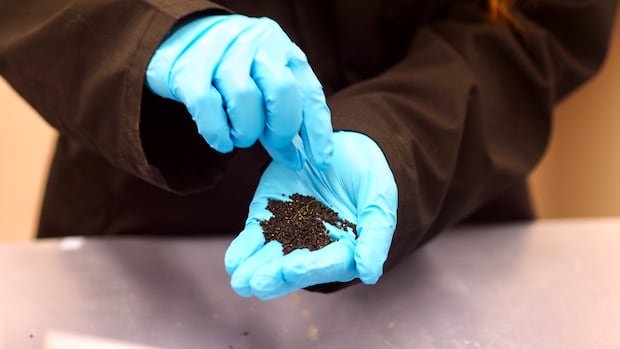
Rachel Scholes, a co-author of the study and assistant professor at UBC, explained that the black rubber infill in these fields originates from recycled tires. The study involved sampling the infill from 12 fields in Metro Vancouver and collecting stormwater samples from the drainage systems of three fields during rain events, with field ages ranging from one to 14 years.
The researchers emphasized that the contamination issue is not exclusive to new fields, as older fields can also continue to release pollutants over their prolonged lifespan, often exceeding a decade. Katie Moloney, a PhD student in environmental engineering at UBC, highlighted the significant amount of crumb rubber present in turf fields, equating to approximately 20,000 tires per field.
The study warned that even minimal exposure to 6PPD-quinone could have detrimental effects on aquatic life, particularly coho salmon. Scholes stressed that the chemical release surpasses lethal concentration levels for coho salmon, posing a serious threat to their survival. The study also mentioned concerns regarding other fish species, such as juvenile cutthroat trout, being adversely impacted by the chemical.
The City of Vancouver’s increasing investment in synthetic turf fields, as outlined in its 10-year sports field strategy, raises questions about the prioritization of such fields despite environmental risks. While synthetic fields offer year-round usability and cost benefits, the release of microplastics and inadequate stormwater management remain critical issues.
In response to the study’s findings, the Vancouver Park Board announced a shift away from crumb rubber infill to inert and non-toxic materials like EPDM rubber. Other municipalities like Surrey and Burnaby are actively monitoring the situation, implementing measures to prevent contaminants from reaching fish habitats. Scholes recommended alternatives like polymer infill or installing treatment systems to mitigate the risks posed by these chemicals to aquatic life.