
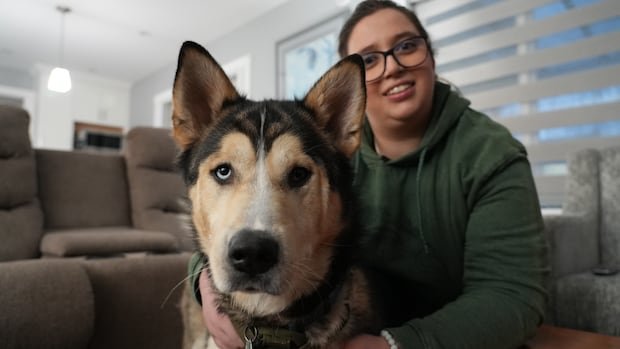
In Delta, British Columbia, Sara Bell took her two-year-old husky, Nilak, to North 40 Park Reserve where he ingested a napkin. Despite previous incidents, Bell was alarmed when Nilak began behaving strangely. Due to his liver condition, Portosystemic Shunt, Bell rushed him to a vet, only to discover that Nilak had overdosed on cocaine. After receiving necessary fluids, Nilak recovered.
Shocked and scared for her dog, Bell shared the incident on Facebook, surprised by the number of similar stories from other dog owners. Mia Riback recounted a similar experience where her dog ingested hashish at a campground, requiring emergency vet care. Another dog owner, Melissa White, also had a dog ingest cannabis, emphasizing the importance of caution during walks.
Veterinarians are witnessing a rise in dog overdose cases, particularly with illicit substances. Dr. Tracy Fisher, CVMA President, noted the importance of prompt vet visits, especially for opioid ingestion. Owners are advised to be vigilant if their pets exhibit unusual behavior, especially after outdoor activities.
The Society of B.C. Veterinarians highlighted an increase in dogs with multiple drugs in their system, often from contaminated human waste in urban areas. Signs of ingestion include imbalance, difficulty walking, twitching, vomiting, or urinary issues. Vets utilize human drug tests for diagnosis and treatment.
Overall, dog owners are urged to be cautious during walks and promptly seek veterinary care if ingestion is suspected, ensuring the safety and well-being of their beloved pets.