
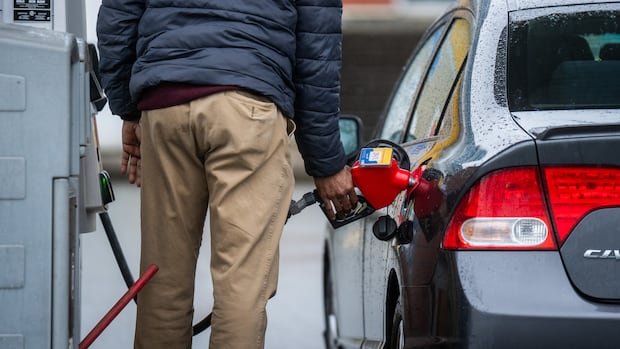
Ride-hail driver Kuljeet Singh in Vancouver experiences anxiety each time he refuels his vehicle due to the escalating gas prices. The recent surge in global gas prices is attributed to the U.S. and Israel’s military actions in the Middle East, causing disruptions in vital shipping routes like the Strait of Hormuz.
Singh, who is also the Director of the Ride Hailing Driver Association of B.C., highlighted the financial strain on drivers like himself, with gas prices in Canada averaging around 168.1 cents per liter. In British Columbia, prices soared to 187.3 cents per liter, with some stations breaching the $2 mark.
For Singh, the additional $20 to $25 spent per fill-up every few days translates to an extra $150 to $200 monthly just on gas. This dilemma forces drivers to consider working longer hours to compensate for the increased expenses.
Joe Calnan, Vice President of Energy at the Canadian Global Affairs Institute, explained that although Canada is a significant oil producer, it remains interconnected with the global crude market. This interdependence leads to price fluctuations domestically, impacted by worldwide supply disruptions.
Amid these challenges, Earla Phillips, Vice President of the Rideshare Drivers Association of Ontario, expressed concerns over drivers struggling to cover basic expenses like rent and car payments. Many have resorted to food banks for sustenance, amplifying the urgency for sustainable solutions.
Phillips emphasized the need for ride-hailing companies like Uber and Lyft to implement fuel surcharges for passengers during periods of high gas prices. This approach aims to alleviate the financial burden on drivers and maintain a fair and sustainable platform for all stakeholders.
As gas prices continue to rise due to ongoing conflicts in the Middle East, drivers like Abdul Jaber contemplate seeking alternative sources of income, signaling a potential shift away from ride-hailing as a viable livelihood option.