
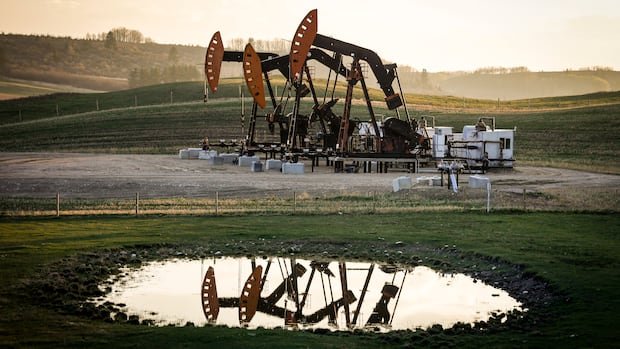
Energy industry experts and analysts are cautioning about a probable surge in oil and gas prices due to diminishing reserves and the ongoing closure of the Strait of Hormuz.
Brent crude futures were priced at $98.20 US per barrel on Wednesday, with forecasts indicating a potential spike to $150 US or beyond in the upcoming weeks. The looming price escalation is primarily attributed to waning optimism for a U.S.-Iran agreement to reopen the Strait, coupled with consistent demand in select markets amid depleting reserves.
During a recent conference in New York, Neil Chapman, a senior vice president at ExxonMobil, highlighted concerns over approaching record-low inventory levels, hinting at a potential rapid price escalation once critical thresholds are reached. He suggested that prices could surge to the range of $150 US to $160 US within a short timeframe.
Chevron CEO Mike Wirth also expressed unease regarding reserve levels, emphasizing the steady decline in inventories globally. Wirth noted the critical nature of the situation, mentioning that the months of June and July will be pivotal.
In March, amid Middle East tensions, 32 members of the International Energy Agency collectively agreed to release 400 million barrels of oil from emergency reserves. The U.S. Strategic Petroleum Reserve, as of May 29, stands at 357.1 million barrels, marking a significant drop since the war in February 2026. The reserve levels are nearing historical lows, raising concerns within the market.
While discussions persist about potential resolutions to the conflict, uncertainties prevail as the Strait of Hormuz remains closed, impacting global oil shipments. The recent missile strikes by Iran on U.S. military bases in the Gulf region have further exacerbated the situation, leading to a surge in oil prices.
Industry experts emphasize that current oil prices do not align with the prevailing circumstances, stressing the potential for further price hikes in the near future. The availability of strategic oil reserves is dwindling, underscoring the need for sustainable solutions to stabilize the market.
As demand for fuel remains robust in Canada amidst tightening supply and escalating prices, concerns mount over potential gas price increases in the upcoming summer months. The closure of the Strait of Hormuz continues to impact global energy markets, with repercussions expected to extend into 2027.
The uncertain outlook underscores the need for swift resolutions to the ongoing crisis to avert prolonged economic disruptions and ensure market stability.