
Astronaut health has been a focal point since the inception of space exploration. Challenges like motion sickness, disorientation, muscle decay, and bone density reduction have impacted all space travelers. NASA has developed methods to address many of these issues through medication and rigorous exercise in space. However, more severe health concerns could pose obstacles for longer missions to the moon and Mars. Scientists are actively researching the potential health risks that long-distance astronauts may encounter and how to address them effectively.
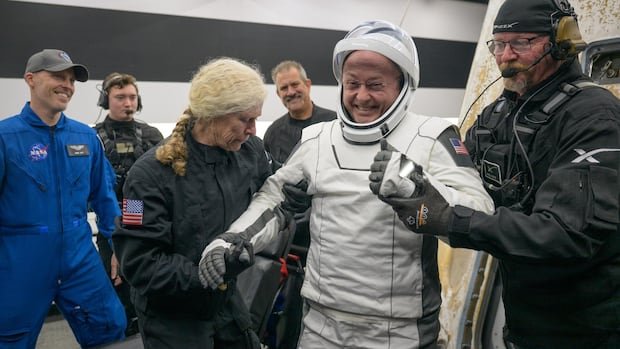
Although critical health incidents in space are uncommon, the first medical evacuation in the history of the International Space Station occurred in January 2026 when astronaut Mike Finke experienced a non-life-threatening condition that required ground-based treatment. While NASA has not disclosed the specifics of the medical emergency for privacy reasons, Finke has confirmed his recovery and well-being.
Close calls in space are scrutinized to enhance understanding of how microgravity impacts human health. Researchers are investigating the formation of blood clots in microgravity following an incident where a female astronaut on the space station in 2019 was found to have a blood clot in her neck. Prompt action was taken on the ground and in space to establish a treatment plan to avert immediate risks posed by the clot.
Studies have revealed that blood clots formed in microgravity are more resilient than those formed on Earth, necessitating further investigation into potential sex-related differences in clotting in a weightless environment. Portable ultrasound devices are crucial for diagnosing such conditions in space, where medical resources are limited.
Weightlessness in space can lead to fluid redistribution in the body, potentially causing conditions like blood clots that pose a heightened risk near the brain. Instances like Canadian astronaut Bob Thirsk’s vision deterioration in 2009 highlight the impact of space travel on the human body. The emerging concern known as Space-Associated Neuro-Ocular Syndrome (SANS) is linked to changes in blood flow and pressure affecting astronauts’ eyes during extended space missions.
Space-related injuries are prevalent, with musculoskeletal issues and exercise-related mishaps being common onboard the space station. While the station is equipped with medical supplies and trained professionals, certain conditions necessitating surgical intervention cannot be managed effectively in space due to the challenges of operating without gravity.
Future missions to the moon and Mars present unique medical challenges due to longer travel times and communication delays with Earth-based medical teams. NASA is developing Earth-Independent Medical Operations (EIMO) to enable astronauts to address health issues autonomously during extended missions. Prevention and early detection of health issues will be paramount for the well-being of astronauts on long-duration space expeditions, emphasizing the need for self-sufficiency in space medical care.
While comprehensive plans are in place for addressing medical emergencies in space, including fatalities, the hope is to never witness such tragic events during space exploration endeavors.