
Chris Jones provides an update from Italy ahead of the Milano Cortina Olympics. The atmosphere at San Siro was electric on Sunday evening, as Inter Milan triumphed over Bologna. The fans’ exuberance filled the stadium, echoing songs of celebration long into the night.
As the countdown to the Opening Ceremony on Feb. 6 at the same venue begins, Olympic organizers are eager for a similar outpouring of enthusiasm. However, there is uncertainty about whether this soccer-centric city, home to Inter and AC Milan, will embrace sports like hockey and figure skating with the same fervor.
With just a month left until Milano Cortina 2026 kicks off, the upcoming Winter Olympics seem to be lacking the usual buzz. Spread across four distinct clusters in northern Italy, the event is facing sluggish ticket sales within the local community, raising concerns about its overall appeal.
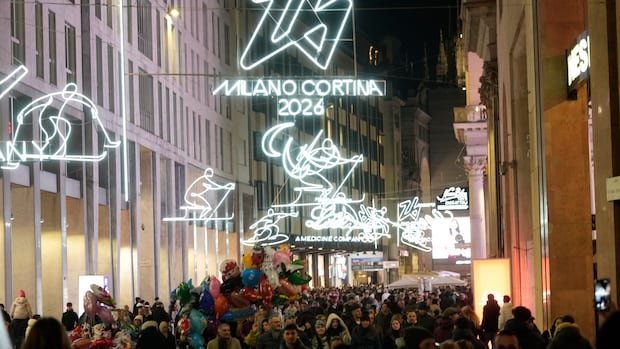
In Milan, the presence of the Olympics is minimal, aside from the ongoing construction at the Milano Santagiulia hockey arena. A temporary store in Piazza del Duomo hints at the upcoming festivities, yet most visitors seem more captivated by the towering Christmas tree in the square.
The city’s various venues are scattered and temporary. Figure skating and long track speed skating will take place in Assago to the south, while a smaller hockey rink and short track speed skating will be located at Fiera Milano in Rho to the west.
In contrast to the makeshift venues, Milan’s athletes’ village stands as the only purpose-built site in the city. Despite differing opinions among locals about its aesthetics, the village is nearing completion, with each apartment showing signs of readiness.
Smaller co-host cities like Cortina and Livigno are expected to offer a more intimate and picturesque Olympic experience due to their stunning mountainous settings. However, in bustling Milan, where snow is absent and distractions are abundant, the focus remains on the intense Serie A title race between Inter and AC Milan.
The Milano Cortina Games exemplify a trend towards more sustainable mega-events, utilizing existing infrastructure to reduce costs and environmental impact. By prioritizing long-term benefits and repurposing facilities post-Olympics, the event aims to set a new standard for future host cities.
The anticipation and optimism surrounding the upcoming Olympics are palpable, symbolized by the murals adorning the streets of Milan, urging athletes to defy expectations. As the city prepares to welcome the world, the message of resilience and determination echoes throughout its vibrant streets.