
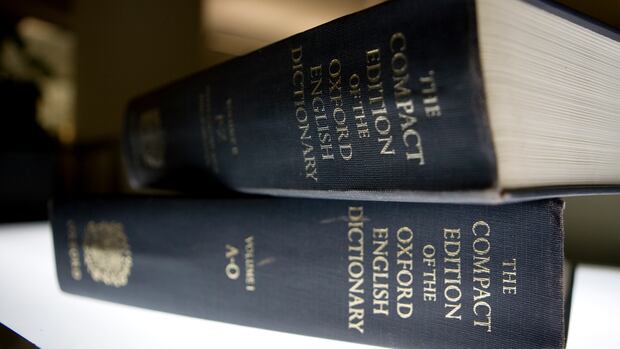
Susie Dent advocates for embracing the concept of ‘recombobulation’ in 2026 as a means of finding solace amidst turbulent political times. Dent, a renowned lexicographer from the U.K., draws parallels to the fairy tale of Rumpelstiltskin, emphasizing the power of naming to diminish the influence of certain terms. For instance, she explains that a “snollygoster” denotes a cunning yet unprincipled politician, while “mumpsimus” describes someone who stubbornly clings to their beliefs despite contradictory evidence.
In her upcoming book, “Words for Life: To Boost Every Day of the Year,” Dent reintroduces forgotten words that remain relevant today. She stresses the significance of these terms in accurately depicting various situations, a sentiment echoed by political scientist Jamie Gillies. Gillies emphasizes that using precise terminology is crucial for understanding complex political dynamics beyond conventional labels like “tyranny” or “authoritarianism.”
Regarding the term “snollygoster,” Dent reveals its origins in folklore as a mythical creature used to caution children about misbehavior. Over time, it has evolved to signify an unscrupulous individual, particularly in politics. Gillies suggests that this term aptly characterizes numerous politicians, citing examples from the Trump administration and Canadian political landscape.
Another term, “empleomania,” captures the relentless pursuit of power at any cost, often associated with authoritarian regimes and leaders focused on personal gain. Dent and Gillies highlight figures like Ferdinand Marcos, the Assad regime in Syria, and Nicolás Maduro as exemplars of this behavior.
Understanding these nuanced words enables individuals to navigate political challenges with a sense of empowerment and historical context. Dent emphasizes the emotional resonance of terminology like “uhtcearu,” an Old English term for pre-dawn anxiety, which fosters solidarity among those grappling with similar feelings. Gillies underscores the cyclical nature of populist movements and the historical relevance of these terms in shaping contemporary discourse.
By reintroducing such terms into everyday language, Gillies believes that discussions around politics can be infused with a touch of wit and nuance, moving beyond polarizing rhetoric. He advocates for a more balanced and engaging approach to describing political realities, suggesting that embracing these forgotten words could foster a richer understanding of current events.