
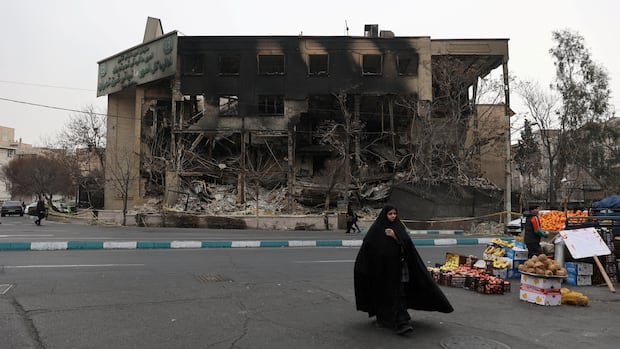
Iranian state TV released the first official death toll from protests that started on December 28, reporting 3,117 fatalities, with 2,427 identified as civilians and security forces. However, the exact details on the remaining casualties were not provided. According to the U.S.-based Human Rights Activists News Agency, the death toll was estimated to be at least 4,560, with the agency known for its reliable reporting on events in Iran. The accuracy of these figures could not be independently verified by The Associated Press.
Statements from the Interior Ministry and the Martyrs Foundation were broadcasted on state television, addressing the casualties. Iranian Canadian human rights activist Arsalan Kahnemuyipour expressed his belief that the death toll was significantly higher than reported, emphasizing the unprecedented scale of violence against civilians in Iran.
In response to U.S. President Donald Trump’s remarks regarding Iran, the Iranian foreign minister issued a direct warning to the United States, pledging to retaliate with full force in case of any renewed attacks. The heightened tensions have raised concerns about a potential escalation of violence in the region.
This recent wave of protests in Iran has resulted in the highest death toll in decades, surpassing previous instances of unrest in the country. Despite a temporary lull in protests, there are apprehensions about a rise in casualties as information slowly emerges due to the government-imposed internet shutdown.
The Iranian authorities attributed the high number of casualties to the use of live ammunition by “terrorists,” leading to the deaths of both civilians and security forces. The Martyrs Foundation vowed to pursue those it deemed as “terrorists” with alleged ties to foreign entities.
The situation in Iran remains tense, with thousands of arrests reported, raising fears of potential executions. The Iranian government’s crackdown on protesters and detainees has drawn international concern, particularly from the United States.
Foreign Minister Araghchi, in a published opinion article, warned of a forceful response to any further attacks, highlighting the country’s military capabilities. The ongoing developments in Iran have escalated regional tensions, prompting military movements and diplomatic maneuvers in the Middle East.
Reports of an alleged Iranian attack on Kurdish forces in Iraq have further added to the volatile situation, underscoring the complex dynamics at play in the region. The repercussions of these events could have far-reaching implications on global security and stability.
The current geopolitical landscape in the Middle East remains precarious, with the potential for further escalations and confrontations between Iran and its adversaries. The international community closely watches the unfolding events in Iran, wary of the implications for regional security.