
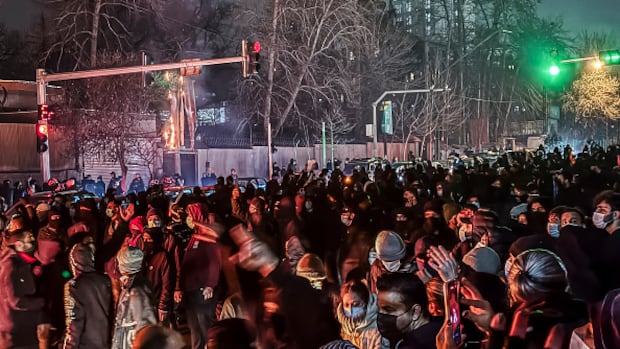
Iran’s state broadcaster has pointed fingers at the U.S. for orchestrating and leading the recent wave of protests sweeping the nation. The official narrative of the clerical regime seeks to downplay the unrest while stifling alternative perspectives. The demonstrations commenced on December 28 when merchants at Tehran’s Grand Bazaar voiced their grievances over the country’s worsening economic crisis and the plummeting value of the rial. The discontent quickly spread throughout Iran as people, frustrated with years of repression, took to the streets.
The internet blackout imposed by the Iranian government has isolated most of the country’s 90 million citizens, hindering their ability to communicate with loved ones both domestically and internationally. Reports indicate over 2,500 deaths have been verified by human rights organizations, with eyewitnesses describing the use of excessive force by security forces, including gunfire and other violent tactics.
In addition to the fatalities, thousands have been arrested during the protests. The unrest, described as unprecedented, has seen various segments of society participating in demonstrations, resulting in the burning of banks and government buildings. Security crackdowns have intensified, with reports of heightened tensions in different cities, such as Isfahan, where even grocery stores fear opening due to the volatile situation.
The banning of Starlink satellite internet systems has further restricted communication channels for Iranians, with President Trump considering sending more systems to the country. Iranian authorities have also been seizing satellite dishes to control access to foreign media outlets. Amid escalating tensions, the Supreme Leader of Iran has dismissed protesters as troublemakers, accusing them of seeking favor with the U.S. president.
While some Iranians hope for external intervention to bring about change, others remain skeptical, acknowledging the regime’s enduring grip on power. The atmosphere in Iran is fraught with fear and uncertainty, with citizens cautiously navigating conversations in anticipation of potential repercussions. Despite the challenges, pockets of resistance persist in Tehran, with individuals cautiously organizing for future protests as they navigate the aftermath of the violent crackdown.