
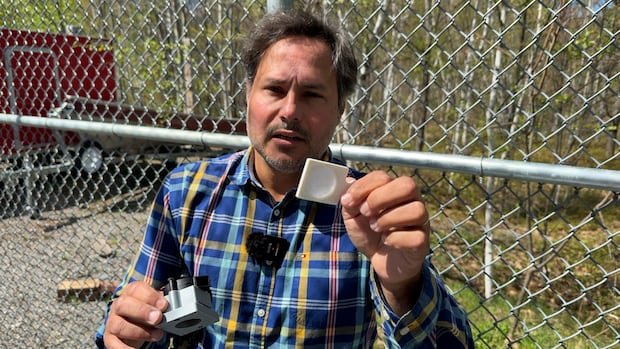
A researcher from Laurentian University is preparing to initiate a study utilizing honey bees to assist in restoration efforts at the Côté Gold Mine located near Gogama, Ontario. Mateus Pepinelli secured a $100,000 grant from IAMGOLD to collaborate on a two-year research endeavor. The project involves bees gathering environmental DNA from areas being reforested by the company near the mine site.
Describing honey bees as research aides, Pepinelli stated that they are instrumental in data collection. During the upcoming summer season, Pepinelli and a team from IAMGOLD will establish three apiaries in proximity to the areas undergoing remediation by the company.
Each apiary will be equipped with a small fan containing a filter designed to capture DNA traces brought into the hive by the bees. Subsequently, Pepinelli and his team will retrieve and analyze the collected filters to extract environmental DNA in a laboratory setting.
The data obtained from the honey bees will offer insights into the progress of rehabilitation efforts at the mine, according to Jessica Tratnik, IAMGOLD’s environmental and social governance lead. Tratnik highlighted that the information gathered through the bees could reveal deficiencies in plant species or pollination, aiding in the company’s ecological restoration strategy.
IAMGOLD’s Vice President of Investor Relations, Graeme Jennings, mentioned that the Coté Gold Mine has a projected lifespan of over 20 years. Tratnik emphasized the importance of ongoing land rehabilitation efforts, stating that waiting until production ends would delay the restoration process significantly.