
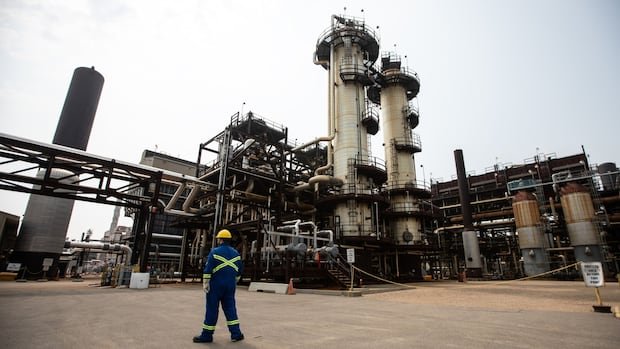
Leaders in Canada’s oil and gas industry are concerned that the proposed industrial carbon levy could harm the country’s competitiveness at a critical time when global demand for reliable energy sources is high. Lisa Baiton, who heads the Canadian Association of Petroleum Producers (CAPP), emphasized that imposing an industrial carbon tax sets Canada apart from other major oil-producing and exporting nations. She highlighted the importance of Canada’s vast oil and gas reserves in ensuring global energy security, particularly amidst ongoing geopolitical conflicts.
Baiton criticized the focus on implementing measures like carbon pricing, which she believes increase costs and diminish Canada’s competitive edge, instead of capitalizing on the nation’s energy potential. These concerns were raised at the 2026 BMO CAPP Energy Symposium in Toronto.
The ongoing discussions around enhancing oil and gas export infrastructure in Canada, particularly diversifying markets beyond the U.S., were also highlighted at the symposium. The Alberta government’s plan to submit an application for a new West Coast crude oil pipeline this summer underscores efforts to expedite projects deemed vital for national interests. The collaboration between Alberta and the federal government, as outlined in a recent memorandum of understanding, aims to facilitate the development of new energy projects, including a proposed B.C. pipeline and the Pathways carbon capture initiative.
Despite the agreements in the energy accord, unresolved issues regarding carbon pricing and the Pathways project have persisted beyond the stipulated deadline. The plan entails increasing Alberta’s industrial carbon price to $130 per tonne from $95, with ongoing negotiations on the rate of escalation. Proponents argue that the added carbon costs can potentially be offset by increased profits from expanded exports, particularly to Asian markets.
However, industry leaders like Cenovus Energy CEO Jon McKenzie caution that imposing a carbon levy may not incentivize investments in decarbonization but rather hinder competitiveness on a global scale. Chris Carlsen, CEO of Birchcliff Energy Ltd., emphasized the challenges in further reducing emissions, citing the limitations of current technologies and the cost implications of carbon capture and storage.
Despite the potential benefits of Canada’s oil resources, concerns remain regarding regulatory hurdles and policy uncertainties that could impede the industry’s growth and competitiveness. Experts point out the need for streamlined approval processes and infrastructure development to fully capitalize on Canada’s energy potential in the evolving global market.