
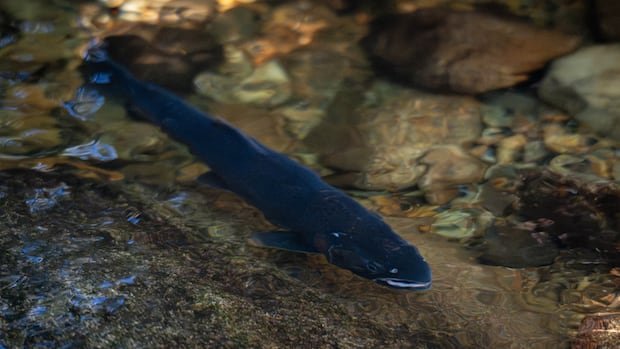
The government has allocated $412.9 million for a five-year extension of the Pacific Salmon Strategy to safeguard and revive wild salmon populations. Fisheries Minister Joanne Thompson unveiled the plan in North Vancouver, emphasizing the progress made in the initial phase through collaborative efforts in habitat restoration, hatchery expansion, and enhanced management practices.
Thompson acknowledged the ongoing challenges faced by wild Pacific salmon and highlighted the government’s renewed commitment to the strategy. This renewed approach will be underpinned by scientific research, Indigenous leadership, and a collective responsibility to safeguard salmon for future generations.
British Columbia’s conservation organizations have welcomed the funding but stress the importance of utilizing it effectively by ensuring active on-the-ground assessments to mitigate risks, particularly from potentially high-polluting industrial projects. Aaron Hill, Executive Director of Watershed Watch Salmon Society, expressed concerns about the environmental impacts of certain resource developments on wild salmon populations if left unmonitored.
Hill also raised alarm over potential budget cuts at the Fisheries Department, emphasizing the critical need to maintain core programs such as stock assessment and selective fishing initiatives to support sustainable fisheries. With several wild Pacific salmon populations facing endangerment and decline, urgent actions are required to bolster their numbers.
According to federal reports, twenty-four wild Pacific salmon populations are classified as endangered, ten as threatened, and nine as species of special concern. Misty MacDuffee from the Raincoast Conservation Foundation highlighted the importance of advancing selective fisheries to prevent the intermingling of wild and hatchery stocks, which exposes wild salmon to various fishing-related risks.
The Pacific Salmon Initiative, launched in 2021, has fostered collaboration among the B.C. and Yukon governments, Indigenous groups, harvesters, scientists, environmental organizations, and local communities along the West Coast. These partnerships have played a crucial role in rehabilitating salmon habitats, combatting illegal fishing activities, and enhancing over 70 hatcheries in the region.