
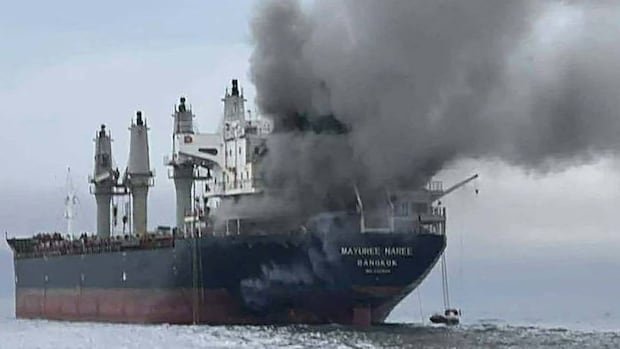
Energy and trade specialists are cautioning about the escalating repercussions on global supply networks, which are expected to amplify amid the ongoing U.S.-Israeli conflict with Iran and the continued closure of the Strait of Hormuz.
While much attention is understandably on the oil markets, the blockade of the strait during the 12 days of conflict has impeded approximately 250 million barrels of oil shipments from departing the Persian Gulf, resulting in surging fuel prices worldwide. However, the impact extends beyond oil.
Experts are advising preparedness for potential disruptions in the supply of essential metals such as copper, nickel, and cobalt originating from the Gulf region. Nearly half of the world’s urea supply, a widely used fertilizer, also hails from this area.
Jim Krane, the Wallace S. Wilson Fellow for Energy Studies at Rice University in Houston, Texas, emphasized the criticality of the strait in the global economy, noting the ripple effects reverberating across various sectors.
The repercussions are already evident, with a major aluminum producer in Bahrain invoking force majeure, suspending deliveries, while Qatar, a significant liquefied natural gas exporter, halts production and notifies clients of delivery constraints.
Even if the Strait of Hormuz were to reopen immediately, resolving these issues would take months, according to Jeff Currie, CEO of the Carlyle Group, who highlighted the extensive disruption across oil, gas, fertilizers, metals, and petrochemicals supply chains.
In South Korea, concerns have been raised by chip makers regarding potential semiconductor production disruptions due to material sourcing challenges from the Middle East, with helium being cited as a critical example.
Amidst the oil and gas scarcity driving up costs in the short term, experts caution that prolonged closure of the strait could lead to more severe consequences. Analysts liken the situation to an “air bubble” in a hose, with ongoing disruptions expected to elevate prices in affluent nations and trigger shortages in poorer countries.
The call for a co-ordinated release of oil reserves at the international level offers some relief, but the energy secretary anticipates a 120-day deployment timeline for American reserves to address the growing supply gap.
The uncertainty surrounding the conflict’s resolution poses a significant challenge, heightening the risks of further escalation and exacerbating the existing supply chain disruptions.