
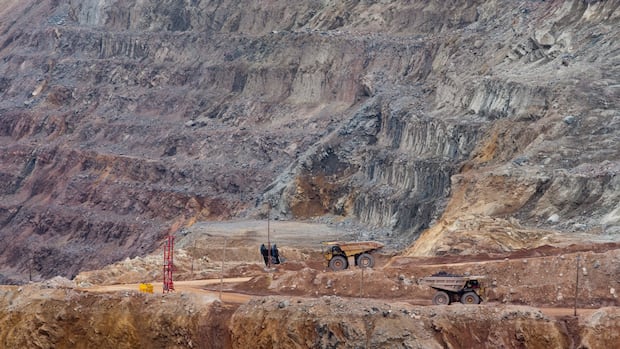
ArcelorMittal, a global mining company, has been fined $100 million for contaminating water in Quebec’s Côte-Nord, marking the highest-ever penalty of its kind. Court documents reveal that the company violated the federal Fisheries Act by releasing harmful substances into fish-bearing waters near its mining operations in Fermont, Quebec, from 2014 to 2022. ArcelorMittal pleaded guilty to 100 counts of the violations and will pay a $1 million fine for each count, with the majority of the fines directed towards the Environmental Damages Fund.
This case highlights the challenges of regulating the mining sector in Canada, despite efforts to expedite critical minerals projects. The Mont-Wright mine, the largest open-pit iron mine in Canada, has a history of non-compliance. In a previous case in 2022, ArcelorMittal was fined $15 million for infractions between 2011 and 2013, including the release of toxic substances into the watershed and misleading environmental officers.
The recent fine relates to the illegal deposits of deleterious substances from the Mont-Wright mining complex into streams and lakes in the Fermont region, which connect to the Moisie River, a crucial spawning area for Atlantic salmon and a conservation priority for the Innu Nation. The Innu Council of Uashat mak Mani-Utenam established the Mishta-shipu Watershed Protected Area to safeguard the land from industrial harm.
Despite the significant fine, ArcelorMittal has committed to improving environmental practices by investing over $400 million in water control and treatment infrastructure. The company acknowledges the past issues and the complexities of developing large-scale infrastructure in remote areas. Moving forward, ArcelorMittal aims to prioritize environmental protection and work with local communities to prevent future incidents.
Experts emphasize the importance of environmental vigilance and strong regulatory oversight to ensure compliance and prevent pollution incidents. The government’s role in enforcing regulations and holding companies accountable for environmental violations is crucial in safeguarding natural resources and ecosystems.