
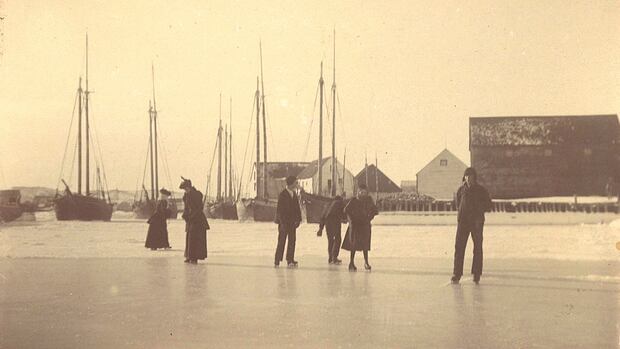
Monday morning at sunrise, Punxsutawney Phil will come out of his burrow. If he spots his shadow, North America is said to face six more weeks of winter. While there are no groundhogs on Newfoundland, locals once had their own customs linked to Feb. 2.
This day marks the Christian Feast of the Presentation of the Lord, commemorating when Mary and Joseph brought baby Jesus to the temple in Jerusalem. In past times, this feast was known as Candlemas. Priests would bless candles as symbols of the light Jesus brought. These candles were then distributed to parishioners for a candlelit hymn or procession.
The blessed candles were taken home for protection and good luck. Women would use them to bless their children and homes. This tradition continues in parts of St. Mary’s Bay. Fishermen would take a blessed candle to sea to light during storms for boat safety. In certain areas like Fogo and the Bay of Islands, good weather on Candlemas Day predicted a successful summer fishery.
Candlemas was an important holiday in the 19th and early 20th centuries, observed as a statutory holiday in the Dominion of Newfoundland. Businesses closed, and even servants took the day off.
Residents celebrated with parties, parades, and dances to welcome the return of sunlight. These gatherings were sometimes called Candlemas Cakes, named after the tradition of baking a communal fruitcake. In some places, men played card games for cake ingredients, with the loser providing their assigned component for the communal cake.
The tradition of sharing ingredients for a collective meal on Candlemas likely originated from the need to ration supplies in mid-winter. French communities celebrated La Chandeleur with similar practices. A chosen Candlemas king or boss would collect meal elements from households, symbolizing cooperation to conjure a feast in the lean winter months.
Feb. 2 was also used for weather forecasting in Newfoundland and Labrador. Traditional verses from England and Scotland tied the weather on Candlemas to the rest of the winter. Locals had their own weather rhyme predicting the winter ahead based on the day’s conditions.
Having contrasting predictions offered optimism during the winter season. Candlemas served as a reminder of light, warmth, and community spirit during dark times, encouraging persistence until spring arrives.