
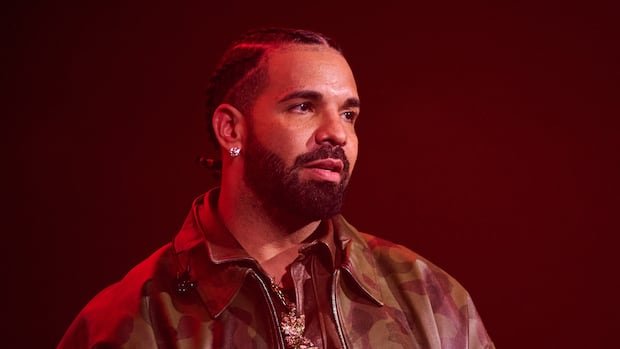
In 2026, Drake finds himself entangled in a new legal dispute. The renowned Toronto rapper is implicated in a proposed class-action lawsuit in the U.S., alleging that he and others utilized funds from a gambling platform to disguise money transfers, subsequently inflating his music streaming numbers artificially.
The legal action revolves around Stake.us, the American counterpart of the online casino operator Stake based in Curaçao, frequently endorsed by Drake on his social media channels. The lawsuit contends that Drake, known as Aubrey Graham, played a central role in the alleged scheme alongside social media influencer Adin Ross. Both individuals purportedly received compensation to promote the platform by participating in virtual currency gambling provided by Stake in a covert manner.
Notably, the lawsuit emphasizes that the claims are yet to be substantiated in court, and representatives for Drake and Stake have not responded to requests for comments. The plaintiff’s attorneys are pushing for a jury trial and are seeking damages and legal expenses amounting to a minimum of $5 million.
The legal complaint, filed on December 31, 2025, in a Virginia court on behalf of LaShawnna Ridley, Tiffany Hines, and all Stake.us users, also implicates George Nguyen as a defendant, suggesting his involvement as a facilitator and operational intermediary. The lawsuit asserts that Stake.us functions as an illicit online gambling platform established to circumvent restrictions after Stake.com was prohibited from operating in the U.S. Despite being promoted as a “social casino” without real-money gambling, the platform utilizes “Stake Cash,” convertible to cryptocurrency or digital gift cards, essentially constituting real currency.
Moreover, the plaintiffs allege that Drake, Ross, and Nguyen exploit the platform’s “tipping” feature to transfer funds among themselves, some of which are purportedly directed towards manipulating streaming services like Spotify. The legal documents assert that this trio’s activities were aimed at generating fabricated streams of Drake’s music, distorting streaming charts, and deceiving royalty and recommendation systems. Consequently, the lawsuit argues that their actions have undermined genuine artists, restricted consumer access to legitimate content, and compromised the integrity of curated music streaming experiences.