
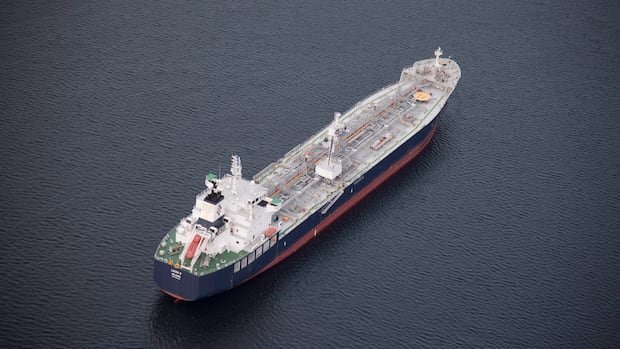
The prohibition of oil tanker traffic in the waters of northern British Columbia has long been in place to safeguard environmentally sensitive coastlines. However, the federal government is considering changes to this moratorium. The discussion on altering the tanker ban stemmed from an agreement between Prime Minister Mark Carney and Alberta Premier Danielle Smith, who signed a memorandum of understanding in November regarding a potential pipeline to transport oil from Alberta to the Pacific coast.
The oil tanker moratorium was initially introduced in 1972 and later legislated through the Oil Tanker Moratorium Act in 2019. It encompasses an area from the northern tip of Vancouver Island to the B.C.-Alaska border, prohibiting oil tankers from stopping, loading, or unloading in designated ports within the region. The ban applies to vessels carrying more than 12,500 metric tons of crude oil or persistent oil products like bitumen and Bunker C fuel. However, it excludes refined oil products, such as gasoline, diesel, jet fuel, and liquefied natural gas (LNG). Violations of the Tanker Moratorium Act can result in fines of up to $5 million per non-compliance instance.
Additionally, there is a voluntary tanker exclusion zone established by the federal government in the late 1980s to provide a wider safety buffer between tankers and the B.C. coast. This zone extends approximately 100 kilometers west of Haida Gwaii and about 40 kilometers off Vancouver Island, primarily catering to U.S. tankers transporting oil between Alaska and Washington state refineries.
The Hecate Strait, known for its hazardous conditions, is a focal point of concerns regarding oil tanker navigation. It poses risks due to its shallow depth, leading to the accumulation of significant Pacific waves. Mariners in the area rely on updated navigation charts, advanced technology, and the expertise of specialized pilots to navigate safely. The debate over the tanker ban involves stakeholders both in favor of and against its modification, with arguments revolving around economic interests, environmental protection, and Indigenous rights.
The article sheds light on the ongoing discussions and concerns surrounding the oil tanker moratorium in the region, highlighting the various perspectives and factors at play.