
Scientists working for Environment and Climate Change Canada (ECCC) are facing potential job cuts as part of the federal government’s plan to reduce its public service workforce. Prime Minister Mark Carney’s administration aims to cut thousands of positions across various departments, including 840 roles at ECCC.
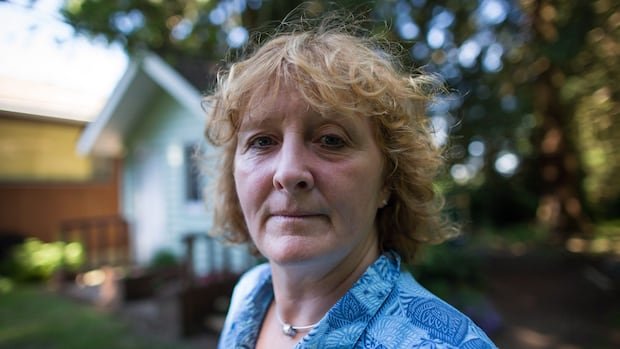
The looming job losses have raised concerns among scientists and labor representatives about the impact on environmental protection and public safety in Canada. Retired ECCC scientist Christine Bishop emphasized the importance of the research conducted by these scientists in safeguarding Canadians and the environment.
Carney’s initial budget proposed a reduction of 16,000 full-time equivalent positions within three years, with ECCC set to decrease its workforce by about 10%, equivalent to 840 roles. Despite the cuts, the department asserts its commitment to environmental protection, scientific leadership, and sustainability efforts.
Sean O’Reilly, president of the Professional Institute of the Public Service of Canada (PIPSC), expressed doubts about maintaining the department’s mandate with such significant job reductions. He highlighted the critical role ECCC scientists play in preventing disasters like oil spills and ensuring public safety.
The email sent to ECCC’s Science and Technology Branch staff outlined upcoming job cuts but assured that essential scientific programs supporting Canadians would be prioritized. However, details on specific areas facing reductions remain undisclosed.
Bishop, a former federal ecotoxicologist, warned that further staff reductions would have severe consequences for essential research on pesticides, microplastics, and other environmental contaminants. She stressed the value of this work to Canadians’ health and environmental well-being.
Both Bishop and O’Reilly emphasized that private and academic research cannot fully compensate for the loss of public service science. They highlighted the unique role of public scientists in addressing immediate societal questions and the challenges of rebuilding public research capacity once it’s been dismantled.