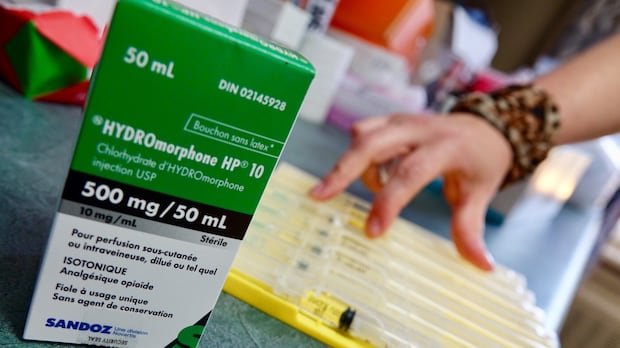
New regulations have been implemented for British Columbia’s safe supply initiative. Concerns have been raised by some addiction experts that these modifications could drive individuals back to dangerous street drugs, while others argue that the changes were long overdue. Jake Flood, the operations manager at the Umbrella Society in Victoria, a non-profit organization assisting individuals with treatment and recovery services, mentioned that the majority of their clients have not encountered issues with the adjustments. The recent changes, which further limit access to the province’s prescription opioid program or safe supply, were introduced on December 30. Under the new rules, most patients using prescription opioids like hydromorphone or fentanyl patches will now need to take them under the supervision of a pharmacist or healthcare professional. Flood believes that transitioning to supervised safe supply strikes the right balance. He noted that individuals who are not adhering to the safe supply guidelines and are selling the medications on the streets are the ones facing challenges. The decision to discontinue take-home safe supply was prompted by leaked internal Health Ministry data, revealing a significant portion of prescribed opioids being diverted and trafficked in British Columbia. Flood highlighted that some diverted hydromorphone pills, known as “dillies” on the streets, were being sold for minimal amounts, leading to concerns about teenagers being exposed to these substances. However, Dr. Jess Wilder, an addictions specialist in Nanaimo, expressed that the new restrictions pose obstacles for her patients, particularly those who are homeless. She emphasized that some pharmacists in Nanaimo and Campbell River have raised concerns about their capacity to supervise dosing and may consider withdrawing from the safe supply program due to staffing limitations. There are exceptions to the updated regulations, including provisions for individuals in rural areas and those with work schedules that prevent frequent visits to a pharmacy. The witnessed dosing requirements do not apply to patients using prescription opioids for pain management, palliative care, or other non-addiction-related medical conditions. Despite some pharmacies offering delivery services for prescription opioids to support individuals managing their addiction, Wilder expressed concerns about the potential risks faced by homeless patients who may not receive adequate support. The number of participants in British Columbia’s safe supply program has decreased from 5,000 at its peak to around 3,000 as of October, according to the Health Ministry. Opposition critic Claire Rattée criticized the safe supply program, stating that it had issues from the beginning and lacked evidence of reducing overdose deaths. She suggested that the decline in program participation following the introduction of witnessed dosing indicates misuse for diversion purposes. While Health Minister Josie Osborne was unavailable for an interview, her ministry stated that the new regulations aim to preserve lives while connecting individuals to treatment services. However, Flood emphasized the urgent need for additional treatment beds, as many clients face prolonged waits for detoxification and stabilization services, highlighting the substantial demand that is currently unmet.
The Daily London Times
The Daily London Times stands as one of the UK's most respected news brands, delivering accurate, insightful reporting since 2003. Renowned for its strong social conscience, The Daily London Times holds its journalists to the highest standards of accuracy and accountability.

© All Rights Reserved by Daily London Times