
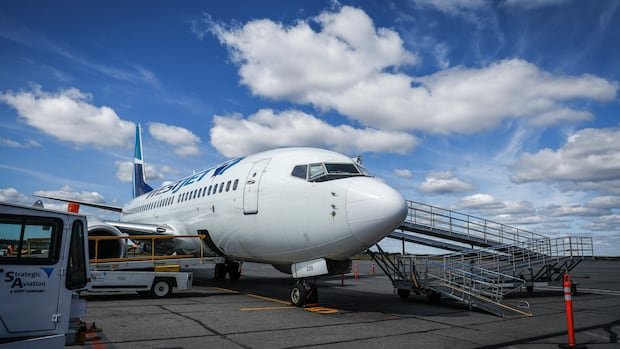
Airlines have been adjusting their economy seating configurations, leading to tighter legroom for passengers. This change often goes unnoticed during the booking process, as airlines are not required to disclose this information upfront.
WestJet customer Alexandra West highlighted her discomfort with the reduced legroom in the airline’s economy seats. The airline’s new seat layout came under scrutiny after a viral video showed a family struggling with limited leg space during a flight.
Although WestJet did not respond to interview requests, they mentioned that the cramped seating was a result of their “newly reconfigured aircraft.” The airline explained that they were exploring new ways to increase seating capacity, including reducing the seat pitch in certain rows from the standard 30 inches to 28 inches.
Passengers like West expressed frustration over the lack of transparency regarding seat pitch when booking flights. While upgrades for additional legroom are offered, specific measurements are not provided, leaving customers unaware of the actual space they will have.
Aviation expert John Gradek pointed out the absence of regulations requiring airlines to disclose seat pitch information during booking. He contrasted this with some European carriers that explicitly communicate the seat dimensions to passengers.
Despite Transport Canada confirming the safety compliance of WestJet’s modifications, concerns remain about the implications of reduced legroom on passenger safety during emergency evacuations. Additionally, health risks, such as blood clots, are heightened by prolonged periods of sitting in cramped spaces.
Passenger Emily Jansson shared her harrowing experience of developing a blood clot mid-flight, emphasizing the importance of adequate legroom for health and safety. Calls have been made for regulatory measures to ensure a minimum level of service, including seat pitch standards, in economy class flights to protect passenger well-being.