
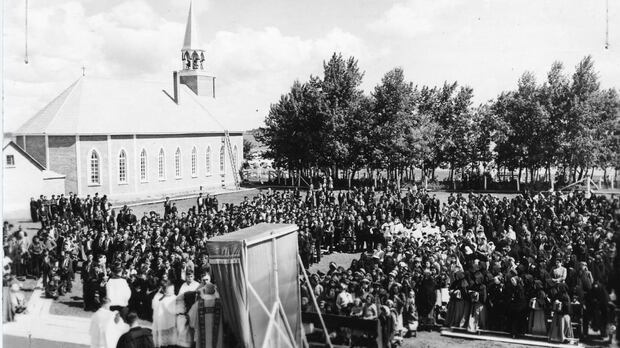
WARNING: This article contains some details of abuse.
Survivors from the first and second generations of the Ãle-Ã -la-Crosse Boarding School are contemplating the significant legal ruling made last week.
A judge in Saskatchewan certified their class action lawsuit and sanctioned settlement agreements that were established last year with both the Canadian government and the Saskatchewan province.
While survivors emphasize the importance of healing moving forward, they acknowledge that last week’s achievement comes with mixed emotions.
This success has been a long time in coming—years filled with urgency. Since 2019, survivors of the school, many of whom endured severe physical or sexual abuse, have relentlessly sought acknowledgment and compensation for the cultural losses and traumas they endured.
Sadly, many did not live to witness the approval of the settlement agreements.
“We’re remembering those loved ones who have passed away while waiting for this day, a day they dreamed of for their entire lives,” stated Brennan Merasty, a second-generation survivor and the Métis Nation—Saskatchewan (MN—S) minister in charge of self-determination, self-government, and justice.
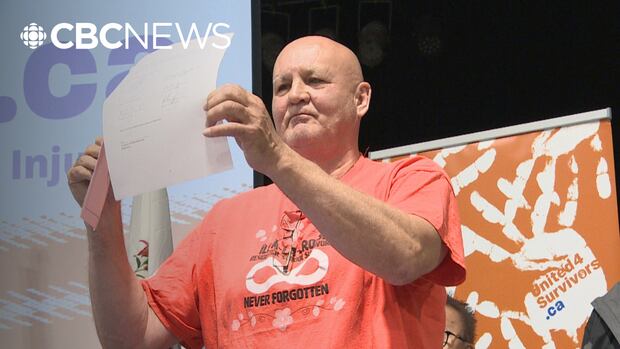
First- and second-generation survivors of the Ãle-Ã -la-Crosse Boarding School are reflecting on last week’s historic legal decision. A Saskatchewan judge certified their class action and approved settlement agreements reached last year with Canada and the province. But the victory is bittersweet.
“And finally, for those of us still here, emotions are running high because so many have been lost in this struggle.”
The MN—S advocates for the province’s Métis population.
“It’s unfortunate that it took this long, but it is a significant day. This is a victory for our survivors,” he remarked.
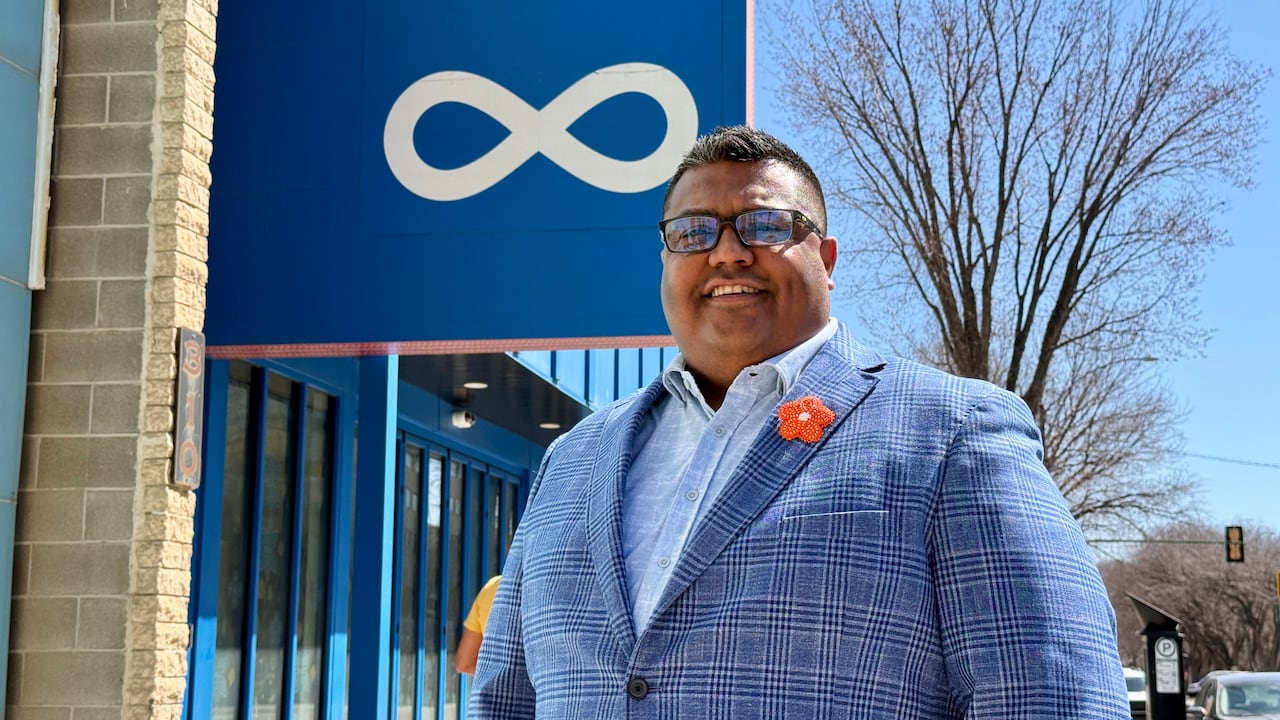
Brennan Merasty serves as the minister for self-determination and self-government for Métis Nation Saskatchewan and is a second-generation survivor. His father, Allan McCallum, who passed away in 2013, never discussed his experiences at the Ãle-Ã -la-Crosse residential school. (Travis Reddaway/CBC)
Class action suits were initiated because the Ãle-Ã -la-Crosse school was excluded from the 2005 Indian Residential Schools Settlement Agreement, as it was established before the federal residential school system.
-
Journalist plans to create new archive of residential school survivor stories — before it’s too late
Merasty noted that he has witnessed numerous elder survivors tirelessly advocate to reach this milestone.
“I think of the late Bridgette Morin. She battled for as long as she could, declaring she wouldn’t leave this world until the agreement was finalized. Tragically, she passed away just a week before the settlement agreements were reached in principle,” he recounted.
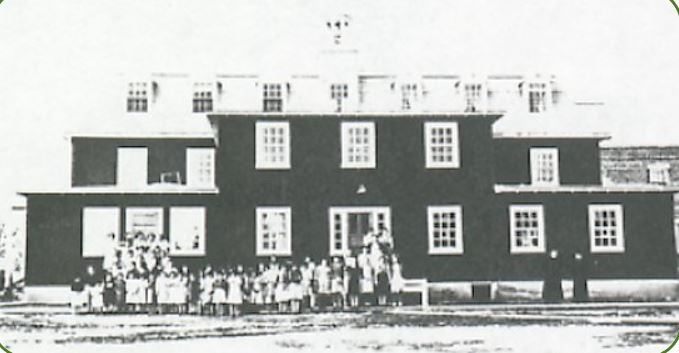
Survivors of the Ãle-Ã -la-Crosse boarding school were not part of Indian Residential School settlements. (University of Regina Department of Education)
Language and culture taken away
At 70 years old, Louis Gardiner recalls attending the school for the first time at the age of five in 1961. He spent nine years there and had his language and culture forcibly taken from him.
“They didn’t refer to you by your name. You were assigned a number. Nowadays, the only places where people have numbers are in prisons,” Gardiner expressed.
“The strap and sexual abuse were their primary tools of control.”
Gardiner’s siblings and parents also attended the school, and the impact of their collective experiences continues to weigh heavily on their lives.
“My parents never shared their stories. They likely took those secrets to their graves. I know they turned to alcohol as a coping mechanism,” Gardiner remarked.
Merasty experienced similar dynamics in his family. His father, Allan McCallum, who passed in 2013, never discussed his time at the boarding school.
“It was a narrative that my brothers and I were not privy to. We didn’t grasp many of his life choices until after he died, when his siblings revealed his past to us,” Merasty shared. “It was deeply disturbing and unsettling. Yet, it contributed to my healing process by providing some understanding.”
Louis Gardiner, far left, at a gathering for survivors of the Ãle-Ã -la-Crosse Boarding School and their families. He first attended the school at the age of five in 1961. (Submitted by Louis Gardiner)
Merasty ensures that his children consistently hear affirmations of love.
Gardiner follows suit with his children and grandchildren, emphasizing the importance of affection. This involves many hugs.
“That didn’t happen with my parents. Oftentimes, when they turned to alcohol, that was the only time they expressed ‘I love you.’ But there were never any hugs,” Gardiner explained.
Despite finally attaining acknowledgment of the abuse they suffered, survivors recognize that the healing journey will be lengthy, and survivors across all generations require support from various levels of government.
“It’s not about outsiders coming into our community to heal us. We assert that we know our people best. Just provide us with the necessary tools, and we can succeed.”
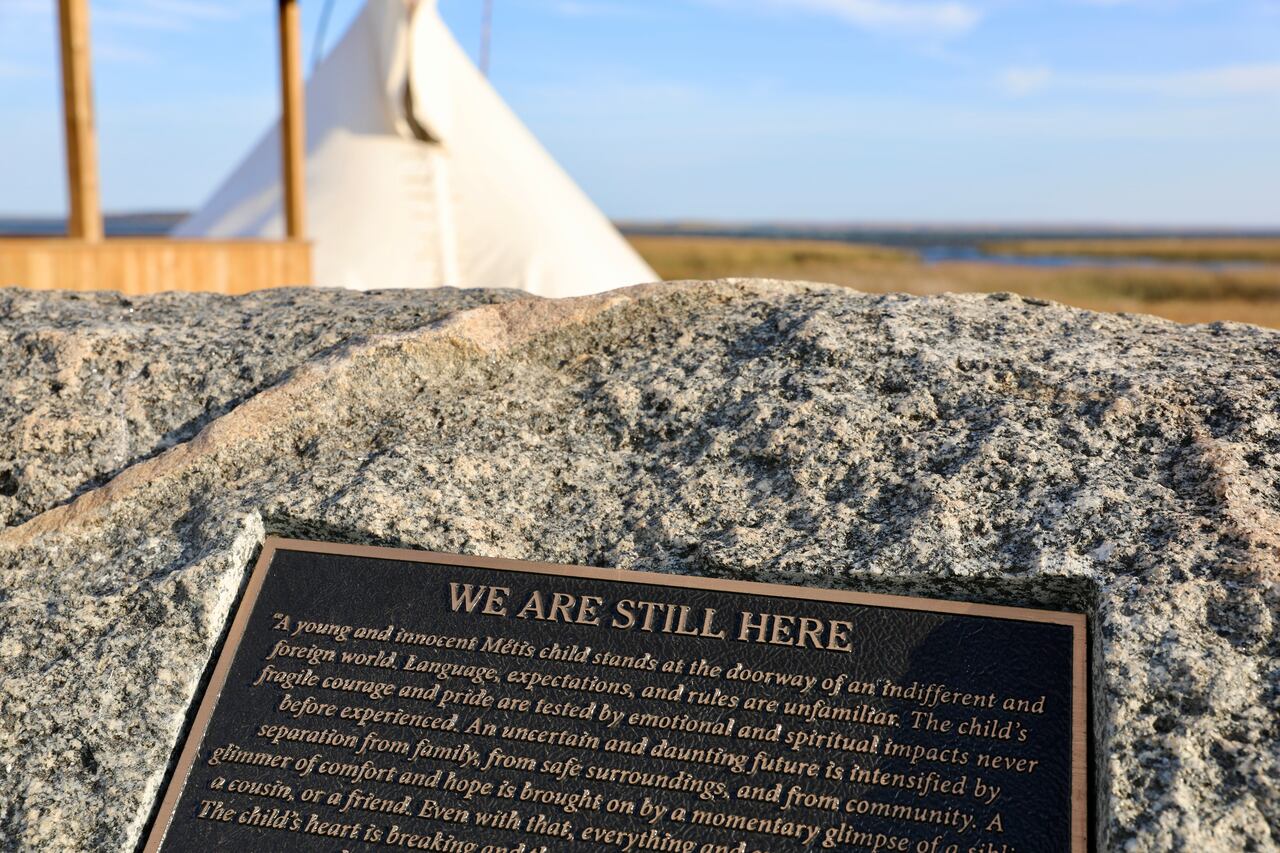
The memorial dedicated to survivors of the residential school in Ãle-Ã -la-Crosse, Sask. (Alexander Quon/CBC)
Future actions
Michelle LeClair, vice president of MN-S, mentioned that survivors are transitioning into the compensatory phase of the settlement. Although the healing process will be extensive, the court ruling has provided a crucial element of closure needed to move forward, she stated.
“There were not many objections to the settlement with Canada. Then Saskatchewan joined in,” LeClair noted regarding the legal proceedings.
“I attended the Court of King’s Bench approval application and felt optimistic. However, you can never be certain until the decision is rendered. We are extremely pleased for the survivors.”
Survivors or their families will receive a total of $27.3 million in experience payments. The settlement also includes a $10 million legacy fund for the community. Applications for experience payments will open on June 1.
A national 24-hour Indian Residential School Crisis Line is available at 1-866-925-4419 for emotional and crisis referral services for survivors and those affected.
Mental health counseling and crisis support are accessible 24/7 through the Hope for Wellness hotline at 1-855-242-3310 or by online chat.