
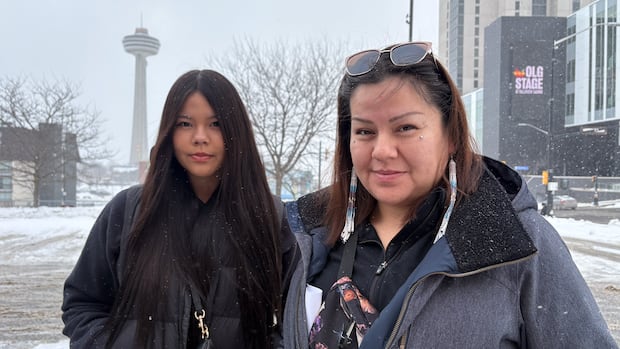
Amid a water crisis at Kashechewan First Nation, a mother and daughter from the community, who have been evacuated to Niagara Falls, express gratitude for the assistance provided while longing for the natural surroundings they are accustomed to. The evacuation was prompted by issues at the water treatment plant in Kashechewan, forcing over 2,300 residents to seek temporary shelter. The First Nation’s Chief declared a state of emergency as water treatment plant malfunctions led to challenges in providing safe drinking water.
Kerri-Ann Koosees, one of the evacuees, mentioned the abrupt nature of the evacuation, catching them unprepared. Despite efforts to ensure their needs are met in Niagara Falls, the transition has been challenging for them. Currently, nearly a thousand evacuees are residing in hotels in Niagara Falls, with plans for some to relocate to neighboring communities. Authorities are closely monitoring the situation, with contingency plans in place should more evacuees arrive.
Concerns about water quality in Kashechewan have escalated following reports of cryptosporidium contamination, affecting the health of residents. The daughter, Keisha Paulmartin, shared her distress over the impact on the community, particularly vulnerable groups. Efforts are underway to address health issues among evacuees, with support from local health authorities.
The disruption caused by the evacuation also affected educational and recreational activities for young people like Paulmartin. Teachers from Kashechewan are assisting students with remote learning, and community spaces have been allocated for social activities. To alleviate the stress of city life on evacuees used to a different environment, various recreational activities are being organized.
Despite the challenges faced, the evacuees remain resilient and appreciative of the support received during this difficult time. Their hope is to return home soon and resume their way of life close to nature, away from the current urban setting in Niagara Falls.