
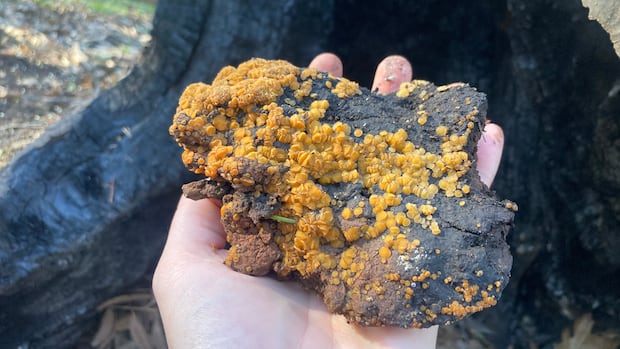
After a wildfire, the charred landscape may seem desolate, but it is actually a sign of renewal as fire-loving fungi begin to colonize the burnt remains. These fungi, known as pyronema, are nature’s first responders to wildfires and play a crucial role in post-fire recovery. With the increasing impact of climate change on wildfires, understanding the role of these fungi has become more important.
Pyrophilous fungi remain dormant until triggered by a wildfire, adapting to survive in extreme heat conditions. These fungi consume ash, carbon, and other toxic byproducts left by wildfires, transforming them into spores and fruiting bodies that fuel secondary responders like insects and bacteria. This process kickstarts the food web and aids in the recovery of the ecosystem.
Fungi also help stabilize the soil after a fire, reducing the risk of erosion and landslides. Their hyphae, threadlike filaments, bind soil particles together and decompose post-fire debris, contributing to soil structure and preventing water runoff.
Research has shown that the recovery of fungal communities is closely tied to the rebound of plant communities after a fire. Fungi and plants evolve together over time, demonstrating the interconnectedness of these organisms in post-fire environments.
Moreover, fire-loving fungi have potential industrial applications due to their ability to break down harmful pollutants. While the manipulation of these fungi for forest recovery purposes is still being explored, there is evidence suggesting that prescribed burns could enhance the fungi’s response to wildfires, acting as a preparatory measure for future ecosystem recovery.