
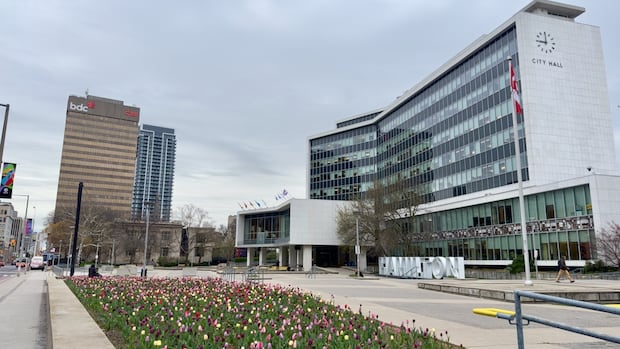
The City of Hamilton is set to introduce its inaugural carbon budget in 2027 as part of its commitment to combat global warming. This budget will signify the maximum carbon emissions allowed by the city. The initial phase of this initiative will focus on specific divisions and capital projects exceeding $250,000 during the 2027 budget process.
During a recent general issues committee meeting on May 27, city councillors approved the recommended carbon budget proposed by the staff. City Manager Marnie Cluckie highlighted that the carbon budget will enable the city to assess the climate impact of its decisions similar to financial considerations.
In addition to the carbon budget, the city is developing an optional self-reporting process to help residents, businesses, and organizations monitor and reduce their emissions. This move follows the city’s declaration of a climate change emergency in 2019, prompted by the escalating local effects of climate-related hazards like heat waves, flooding, and erosion.
The carbon budget, suggested in a youth-led plan from Environment Hamilton in 2023, estimates total corporate emissions at 422,000 tonnes of carbon dioxide equivalent, with community-wide emissions projected at 53 million tonnes. These figures align with the Paris Agreement’s guidelines to limit global warming to 1.5 degrees Celsius, aiming for net-zero emissions by 2050.
The carbon budget will commence as a pilot project, targeting full implementation by 2030. City staff will provide an update later in 2027, sharing the pilot results and recommendations for city-wide implementation. The strategy includes a corporate carbon offsets and credits policy to achieve net-zero greenhouse gas emissions by 2050, utilizing carbon offset credits to balance residual emissions.
Residents, such as Miriam Sager and Lucia Iannantuono, have expressed support for the carbon budget. While Sager emphasized widespread concerns about climate change, Iannantuono raised reservations about the effectiveness of the corporate carbon offsets and credits policy outlined in the original report.
Trevor Imhoff, a senior project manager at the Office of Climate Change Initiatives in the city, explained that third-party companies will assess carbon credit projects and make them available on a carbon market for potential purchase by the city.