
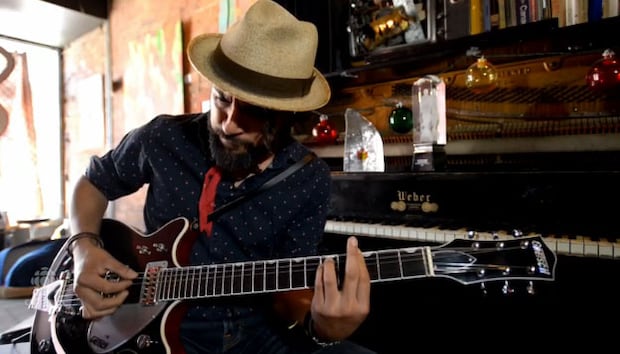
Canadian musician Quique Escamilla expressed concerns about performing in the U.S. due to heightened border security measures under the Trump administration. Despite witnessing ICE officers on city streets during his tours and the Supreme Court decision on racial profiling, he initially continued with his scheduled U.S. performances. However, after ICE agents shot and killed two American citizens in Minneapolis, Escamilla decided to cancel his remaining U.S. tour dates, citing safety issues. He emphasized the potential racial profiling risks he faced as a Mexican passport holder and his lack of confidence in American safety guarantees.
Escamilla’s decision reflects a broader trend among Canadian musicians reconsidering U.S. tours. With instances of discrimination and political tensions affecting artists, some have opted to cancel or avoid U.S. performances. Notable figures like B.C rocker Matthew Good and Neil Young have also taken stands against U.S. policies, while groups like the Rural Alberta Advantage have canceled shows due to safety concerns.
The uncertainty surrounding border crossings and working conditions in the U.S. has led many in the music industry to reassess their touring plans. The Canadian Independent Music Association pulled out of the South by Southwest festival and sought legal advice on U.S. tours amid escalating tensions. Despite assurances of smooth border crossings with proper documentation, concerns persist over the current political climate in the U.S.
While canceling U.S. dates may be a costly decision for musicians, safety and ethical considerations have influenced many to prioritize their well-being over financial gains. The shift in attitudes towards touring the U.S. reflects the changing landscape under the current government, prompting artists to reevaluate their career strategies.