
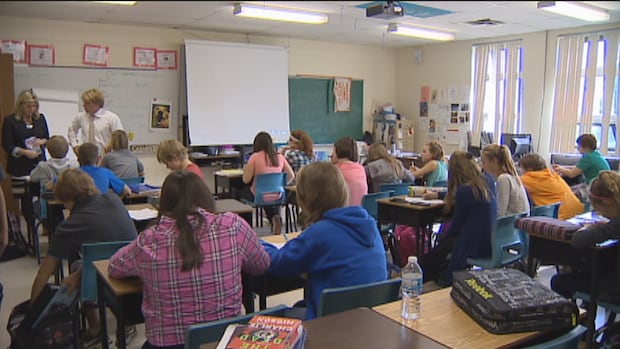
Some experts in sexual health education, advocacy organizations, and educators have raised concerns about the impact of new provincial approval requirements on teaching Alberta’s health curriculum. The regulations, implemented in September, mandate that Alberta’s education ministry must greenlight all materials used by educators for teaching sexual health outcomes, sexual orientation, or gender identity. The government is screening resources to ensure alignment with the curriculum and appropriateness for the students.
Teachers and advocates interviewed by CBC have expressed worries that the new rules have led to diluted lessons, potentially failing to adequately equip students to protect themselves from infections, pregnancy, or abuse. The changes have raised apprehensions about the future implications, according to Jamie Anderson, a former teacher and current education PhD candidate at the University of Calgary.
The stringent vetting rules fall under one of three gender policy laws shielded from legal challenges by invoking the notwithstanding clause. The education ministry has approved 164 resources for these lessons as of Jan. 26, with a focus on quality and curriculum alignment. However, concerns persist about the limited availability of resources, particularly for specific grade levels and topics.
Among the challenges faced by teachers is the need for prior parental consent for sexual health lessons. The lack of approved resources and presenters, especially for addressing abuse prevention and LGBTQ+ inclusivity, has created concerns about the adequacy of sexual health education in Alberta schools.
Experts have criticized the new regulations for restricting teacher autonomy and potentially leading to incomplete and biased sexual health education. The impact of these limitations on students’ health and well-being, including the potential for increased risks of infections and abuse, remains a significant concern. Gaps in approved resources and presenters could hinder students’ access to comprehensive and accurate sexual health information, raising fears of negative consequences for youth in Alberta.