
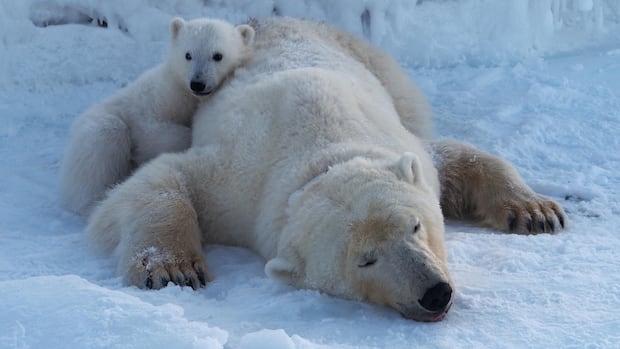
A polar bear swimming in an ice-free Arctic has become a symbol of climate change affecting wildlife. However, polar bears in the Barents Sea region, north of Norway, are currently faring well despite decades of melting sea ice, as revealed in a recent study published in Scientific Reports.
Researchers found that this particular subpopulation of polar bears is adapting to the changing environment and managing to find enough food to sustain themselves. This unexpected resilience highlights the variability within species in response to climate change.
While some animals may benefit from shifting conditions, experts caution that this adaptation might only be temporary. The ongoing loss of sea ice remains a significant threat to polar bears in the long term.
The study, based on live captures of polar bears between 1995 and 2019 in the Svalbard archipelago, involved monitoring 770 bears in the region. Despite facing earlier sea ice breakup and an extended ice-free period, the bears’ body conditions initially declined but eventually stabilized.
One possible explanation for the bears’ resilience is their consumption of alternative prey, such as walruses, bird eggs, and whale carcasses, which have become more accessible. This diversification of their diet may have helped them maintain their body condition despite the changing landscape.
While these findings offer hope for the Barents Sea polar bears, experts emphasize that not all polar bear populations are faring as well. Canadian polar bears, for instance, continue to face challenges due to declining sea ice affecting their survival and reproduction rates.
The future of polar bears worldwide remains uncertain, with different regions experiencing varying impacts of climate change. Ultimately, the long-term survival of polar bears will depend on addressing the root causes of global warming and sea ice loss.