
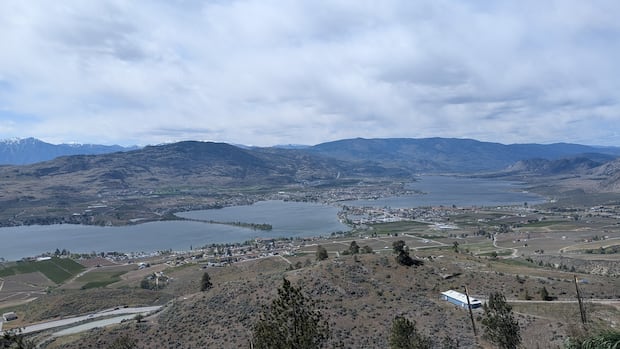
Drought conditions have been announced for Osoyoos Lake in the Okanagan region of British Columbia due to reduced snowpack and ongoing dry weather. The International Osoyoos Lake Board of Control made the declaration to provide more flexibility in managing lake levels. Currently, the water level is being raised through the Zosel Dam to capture any remaining spring runoff.
The board, responsible for overseeing the operation of the Zosel Dam by the Washington State Department of Ecology, which regulates water levels in Osoyoos Lake, a water body that crosses the Canada-U.S. border, has raised the lake to its normal operating levels of approximately 278 meters. Further increases are expected in the following days.
The declaration of a drought is based on specific criteria, including the volume of flow into the Similkameen River, net inflow into Okanagan Lake, and peak levels of Okanagan Lake during certain months. The board anticipates meeting all three criteria based on current forecasts, with low-elevation snowpack melting earlier than usual this year.
According to the latest bulletin from the River Forecast Centre in British Columbia, the risk of drought is heightened by low snowpack, premature snowmelt, and warm weather, particularly in the southern region of the province, including Osoyoos. The Okanagan basin reported only 31% of its typical snowpack on May 1, while the Similkameen basin had 61%.
Environment Canada predicts above-normal temperatures in B.C. from May to July, and some climatologists suggest the likelihood of a “super” El Niño phenomenon this year, bringing warmer temperatures and increased drought conditions. In contrast, Washington state declared a drought in April due to extremely poor snowpack conditions.
The board plans to closely monitor lake levels and river conditions in response to the ongoing drought situation.