
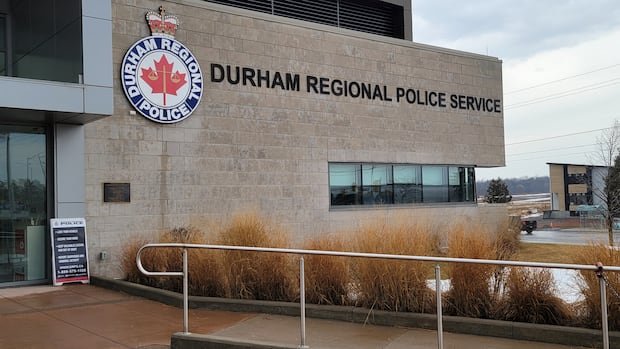
Several police officers in Durham who have been diagnosed with post-traumatic stress disorder (PTSD) claim that they feel isolated by the police service since they took mental health leave and have not received adequate support. These officers allege a workplace culture where confidential medical information is mishandled and senior management insinuates that some members may be dishonest about their mental health issues. Upon returning to work, these officers say they are labeled as “broken toys” and their careers suffer. Despite Chief Peter Moreira stating that mental health support is a priority and efforts are made to manage staffing challenges without stigmatizing those on leave, the officers CBC News interviewed expressed that the Durham Regional Police Service (DRPS) has not proactively reached out to support them.
The officers, who spoke under pseudonyms to protect their identities, shared concerns about the handling of their private medical information within the service. They claimed that confidential details are shared with individuals who should not have access to such information. Chief Moreira responded by asserting that medical files are only accessible to wellness specialists within the service and any breaches of privacy would be investigated. While the officers highlighted instances of feeling pressured to continue working despite mental health struggles due to staffing concerns, Moreira emphasized that additional officers have been recruited to address staffing shortages caused by members on leave.
The officers also expressed feeling alienated upon returning to work, describing a lack of support and understanding from supervisors and a sense of being considered liabilities rather than valued members of the police service. Despite Moreira’s statements about the availability of mental health supports within the service, the officers stated that they felt disconnected and unsupported during their leave. The Durham Regional Police Association acknowledged the need for improved communication and support for members on leave, acknowledging that transitioning from a culture of suspicion to one of support is essential.
While some officers expressed a desire for more supportive contact from the service, others indicated a reluctance to engage due to negative past experiences. Moreira mentioned the presence of a dedicated reintegration officer tasked with communicating with members on leave and emphasized the service’s efforts to improve outreach to those in need. Ultimately, the officers’ accounts underscored a perceived lack of prioritization of officers’ well-being by the DRPS, with some feeling disillusioned and unsupported by the service.