
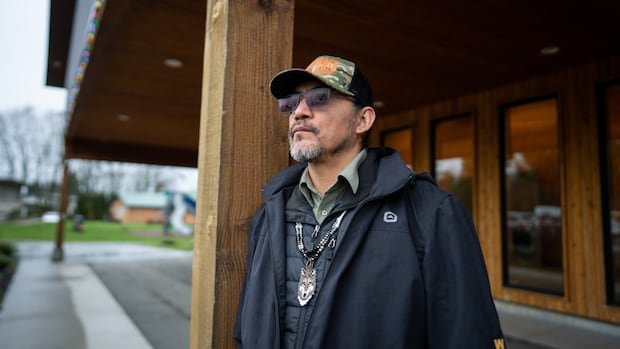
Skwah First Nation, located near Chilliwack, is making significant strides in reducing its carbon footprint through the installation of solar panels on several buildings within the community. This initiative, spearheaded by community energy advocate Slade Williams, aims to showcase the benefits of sustainable energy practices to both residents and visitors.
The solar panel project, which took three years to complete, has been implemented on structures such as the community hall, administration building, and preschool. Williams emphasized that besides contributing to a decrease in carbon emissions, the project will also lead to cost savings on electricity bills provided by B.C. Hydro.
Notably, the success of the solar panel rebate program for Indigenous communities introduced by B.C. Hydro in July 2024 led to a temporary pause due to overwhelming demand. Susie Rieder, a spokesperson for B.C. Hydro, mentioned that while the Indigenous-specific program is currently on hold, communities can still explore the utility’s mainstream solar and battery programs.
While Skwah First Nation benefits from being connected to the B.C. Hydro grid, many off-grid reserves and communities continue to rely on diesel fuel for their energy needs. Heather Exner-Pirot, from the Macdonald-Laurier Institute, highlighted the challenges associated with transitioning away from diesel due to factors such as cost and availability of alternative energy sources.
Looking ahead, research initiatives such as the Accelerating Community Energy Transformation (ACET) project led by UBC chemical engineering professor Naoko Ellis are exploring various renewable energy options tailored to B.C. communities. These options include solar, wind, biomass, geothermal, and potentially nuclear technologies, with a focus on community-specific solutions and Indigenous-led energy projects.
The push towards sustainable energy practices and the exploration of diverse energy sources reflect a broader shift towards cleaner and more efficient energy systems, paving the way for a greener and more sustainable future.