
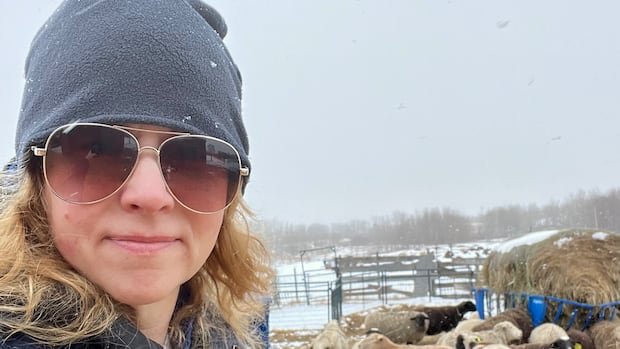
Teresa Patry, a farmer and rancher from Vermilion, Alberta, is facing concerns with the operations of two active oil wells on her property. An independent air quality assessment revealed that these wells are emitting methane and potentially harmful chemicals, affecting Patry, her family, and livestock. Despite her complaints to the Alberta Energy Regulator (AER), she feels dismissed as they insist everything is in order.
The AER stated it adheres to government policies and refrained from commenting on specific landowner complaints. Environmental advocates have highlighted similar cases where landowners with aging or decommissioned oil wells are experiencing environmental pollution without adequate support from authorities. As Alberta addresses methane emissions and aging oil and gas infrastructure issues, concerns persist that individuals like Patry may be overlooked.
Initially trusting the oil and gas industry, Patry’s family allowed drilling on their land in 2006 without much hesitation. Over time, the wells became more conspicuous and emitted unpleasant odors, indicating venting activities releasing methane and volatile organic chemicals. While methane inhalation at low levels is not harmful, the presence of other harmful gases in the emissions raises health concerns, as per health experts.
Patry’s worries escalated after incidents of animal deaths and family health issues, including her son experiencing a serious health scare. Despite these alarming events, connecting them directly to the oil wells remains challenging due to the lack of conclusive evidence. Calls for independent research on industrial pollutants’ health impacts and stricter regulations have been made by medical professionals advocating for public health safety.
Patry’s interactions with AER and government officials have not yielded satisfactory responses, with assurances of compliance with regulations. Environmental inspections using specialized equipment have shown continuous venting from the wells, urging caution when near the affected area. Patry’s story mirrors those of many others facing similar challenges with aging oil infrastructure and inadequate regulatory oversight.
Advocates like Phillip Meintzer emphasize the need for stronger enforcement and regulatory reforms to protect individuals affected by such situations. Despite government initiatives to manage orphan wells and address aging infrastructure concerns, including the recent Mature Asset Strategy report, critics argue that more robust measures are necessary to safeguard public health and the environment. Patry continues to seek assistance, feeling marginalized by the regulatory response to her legitimate concerns.