
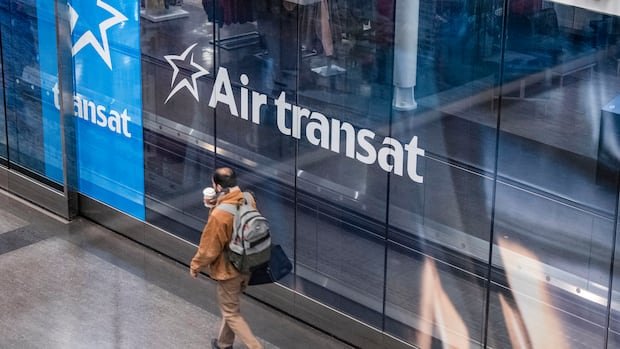
Air Transat is the latest airline to make adjustments to its services in response to soaring fuel prices. Transat A.T. Inc., the parent company of Air Transat, announced a reduction in flight frequencies on select routes to Europe and the Caribbean. The airline has also extended its suspension of flights to Cuba until October due to the ongoing fuel embargo imposed by the U.S. This decision has led to a six percent overall capacity reduction between May and October, impacting the busy summer travel season.
CEO Annick Guerard acknowledged the challenges posed by the current aviation fuel price volatility, affecting the industry as a whole. Despite these cost pressures, the demand for air travel remains robust. Affected customers will be contacted directly by the airline to discuss alternative arrangements.
The disruption in the fuel supply caused by the conflict in the Middle East has significantly increased jet fuel costs. As a result, airlines worldwide, including Air Canada and WestJet, have been compelled to reduce capacity and adjust their operations to mitigate the impact of high fuel prices.
In Europe, Lufthansa recently canceled 20,000 short-haul flights through October to reduce its summer capacity by one percent and conserve jet fuel. Other major carriers like KLM-France and Delta Air Lines have also taken measures such as reducing flight schedules or raising ticket prices to offset the increased operational costs.
Amid concerns of fuel shortages in Europe potentially causing significant disruptions during the summer travel season, experts warn of potential challenges ahead. Despite the uncertainties, Air Transat reassures its commitment to ensuring a stable fuel supply across its network.
While the demand for flights to Europe remains strong, the limited flight availability may lead to further increases in airfares. Travel agent McKenzie McMillan predicts that with reduced flight options and sustained demand, airfares, which have already been on the rise, are likely to continue climbing. This situation may result in a more expensive summer for travelers.