
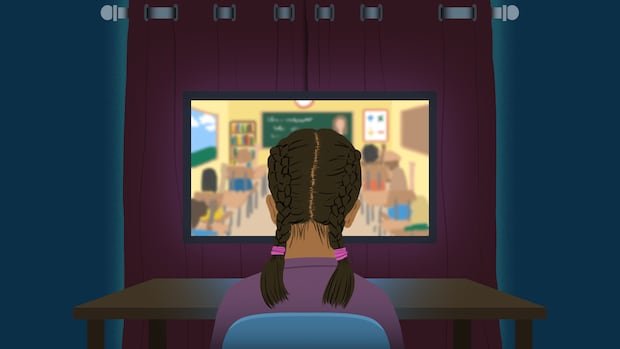
In Minneapolis, a nine-year-old girl is attending online classes from her friend’s home, connecting with her classmates virtually as her family avoids going outside due to fears of encountering U.S. Immigration and Customs Enforcement (ICE).
Originally from Haiti, the girl and her family have opted for virtual learning to avoid potential ICE detention. The girl’s mother shared that her daughter often questions why she can’t attend school, leading to emotional conversations aimed at comforting her without instilling more fear.
The family, like many others in Minnesota, faces the constant worry of ICE targeting them or their parents. Recent incidents, such as the arrest of five-year-old Liam Ramos used as a tactic to detain his father, have intensified this fear within the community.
As a result of ICE raids, children of color are increasingly absent from schools and activities in Minneapolis and St. Paul, creating a noticeable shift in the local landscape. Teachers like Mandi Jung have observed a significant decline in student attendance, especially among immigrant populations.
The St. Paul Public Schools Superintendent, Stacie Stanley, has accommodated families’ requests for online learning to ensure student safety, with approximately 25% of students opting for virtual education.
Beyond schools, community spaces like Wes Burdine’s soccer bar have also felt the impact, with families choosing to stay indoors due to safety concerns. The emotional toll on children, citizens, and immigrants alike is palpable, with stories of anxiety and uncertainty circulating among students and families.
In response to the heightened tension, community members are rallying to support affected families, providing essential resources and assistance. Acts of kindness and solidarity are emerging amidst the adversity, showcasing the resilience and compassion of the community in the face of challenging circumstances.