
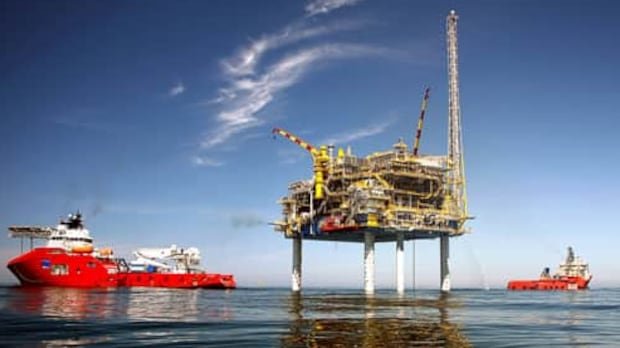
The Canadian government has agreed to collaborate with Nova Scotia in conducting an assessment of the potential consequences of offshore oil and gas drilling, as requested by Premier Tim Houston. This activity, which Houston aims to revive after a period of inactivity, will be overseen by Federal Environment and Climate Change Minister Julie Dabrusin.
Dabrusin expressed in a publicly released letter that a regional assessment would be a beneficial tool for evaluating the impacts of future development activities and informing the federal impact assessment process. Regional assessments, managed by Dabrusin’s department, analyze the overall effects of industrial projects in a specific area, considering cumulative and interactive impacts of multiple projects. These assessments differ from impact assessments, which are project-specific.
While Houston’s office did not provide further comments, a spokesperson from the Department of Energy, under Houston’s leadership, expressed satisfaction with the collaboration on the regional assessment. Houston believes that expediting regulatory approvals through this assessment will enhance Nova Scotia’s competitiveness in the global energy sector.
Offshore natural gas production in Nova Scotia peaked in the early 2000s and has since declined, with the last wells being sealed in 2018. Despite unsuccessful bids in recent years, Houston initiated efforts to attract the industry back, including a new call for bids closing in late April.
Critics like Thomas Arnason McNeil of the Ecology Action Centre argue that resources should be focused on renewable energy and battery storage instead of oil and gas development in Nova Scotia. However, Houston is actively pursuing various energy projects, including offshore wind expansion, onshore gas exploration, and the construction of new gas power plants.
Houston’s timeline for the regional assessment is ambitious, aiming for completion within six months. Dabrusin supports this timeline, emphasizing that the assessment could build upon previous regional studies. Early discussions have already commenced between Ottawa and Nova Scotia, with expectations to finalize the project by fall.
The collaboration between Ottawa and Nova Scotia to assess the impacts of offshore oil and gas demonstrates a commitment to evaluating the potential consequences of energy development in the region.