
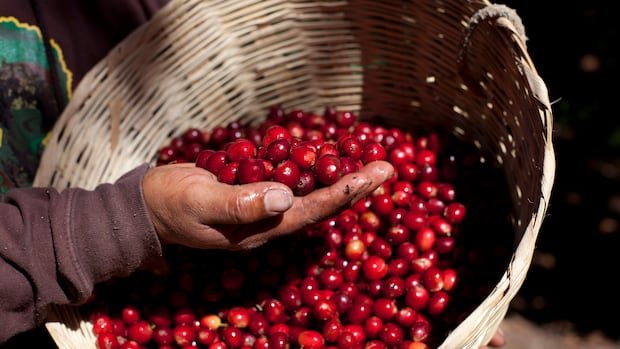
Chalo Fernandez’s family has been involved in coffee cultivation in Colombia for over a century, long before climate change had such a significant impact. Fernandez, now managing his family farm and Trebilcock Coffee Roasters in Pickering, Ont., reminisces about how his grandfather accurately predicted weather patterns and rainfall by observing the mountains near their farm. The family used this information to plan their planting, drying processes, and protective measures for their crops.
The predictability of the weather has drastically changed, with producers like Fernandez encountering unpredictable fluctuations in temperatures and rainfall each year, resulting in reduced harvests. Excess sunlight can lead to premature flower growth on the coffee trees, followed by their demise due to insufficient water, while prolonged periods of heavy rain can also affect the berry-producing flowers.
These climate-related challenges are not unique to Fernandez’s farm but are affecting major coffee-producing countries worldwide, including Colombia, Brazil, Indonesia, Vietnam, and Ethiopia, which collectively supply 75% of the world’s coffee. A recent analysis by Climate Central reveals that these countries are facing an average of 57 extra days of heat that are harmful to coffee crops due to climate change. Brazil, the largest coffee producer globally, is experiencing 70 additional days of damaging heat annually.
The increased heat directly harms coffee plants, disrupts rainfall patterns, and exacerbates pest infestations, further jeopardizing crop yields. The impact extends beyond isolated incidents, with Colombia enduring 48 more days of heat detrimental to coffee cultivation. Fernandez recounts a recent year when his farm lost over half of its harvest due to extreme weather conditions, resulting in significant financial losses that farmers struggle to mitigate.
The rising temperatures, exceeding 30 degrees Celsius, are stressing coffee plants, affecting both yield and quality. Experts liken the impact of heat on coffee plants to humans sweating excessively in high temperatures, diverting resources from essential functions to survival, making the plants more susceptible to diseases and fungal growth.
The escalating weather variability poses challenges for coffee growers worldwide, disrupting supply chains and leading to unstable prices. Smallholder farms, which account for a significant portion of global coffee production, lack the resources to cope with prolonged heatwaves and extreme weather events, impacting consumers globally, including in Canada.
As climate change continues to threaten coffee-producing regions, the repercussions are expected to drive up coffee prices for consumers. Despite the challenges, the demand for coffee remains strong, reflecting its integral role in people’s lives. Fernandez emphasizes the urgency of addressing these climate-related issues, sharing his struggles on social media to raise awareness and promote transparency within the industry, expressing concerns about the future sustainability of coffee farming.