
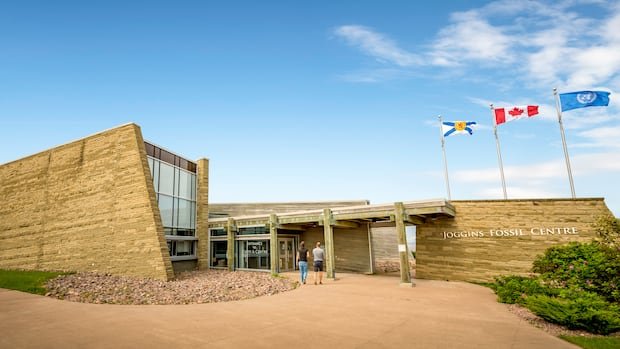
The Joggins Fossil Institute in Nova Scotia is facing significant challenges as a result of a 20% reduction in its provincial funding. Jade Atkins, the institute’s curator, expressed concerns that this funding cut of $55,000 will have a severe impact on their operations, leading to the potential cancellation of educational programs that serve hundreds of students annually.
Atkins emphasized the detrimental effects of the funding reduction, stating that it diminishes their capacity for outreach efforts, which are essential for engaging with schools and community events in Cumberland County. The institute, which oversees the Joggins Fossil Cliffs UNESCO World Heritage Site and the Joggins Fossil Centre, is set to receive $220,000 in annual operating grant, down from the previous $275,000, and even lower than the initial funding level of $250,000 when it obtained UNESCO recognition in 2008.
The institute, with a core team of four permanent employees and around 10 seasonal staff, faces additional challenges such as rising costs and deferred maintenance issues. Atkins highlighted the importance of outreach programs and expressed concerns that the funding cuts may hinder future fossil research in the province.
Despite these challenges, tourism remains a significant economic driver for Nova Scotia, with the Joggins Fossil Cliffs being a key attraction that draws numerous visitors annually. Atkins stressed the need for sustainable funding to support their research and educational initiatives, urging stakeholders to advocate for the restoration of the institute’s funding.
As discussions continue regarding the budget cuts, Atkins plans to engage with local representatives to emphasize the impact of reduced funding on the arts and culture sector, which plays a vital role in the province’s tourism industry. The institute’s future hangs in the balance, but Atkins remains hopeful that with community support and advocacy efforts, they can secure the necessary funding to continue their valuable work.