
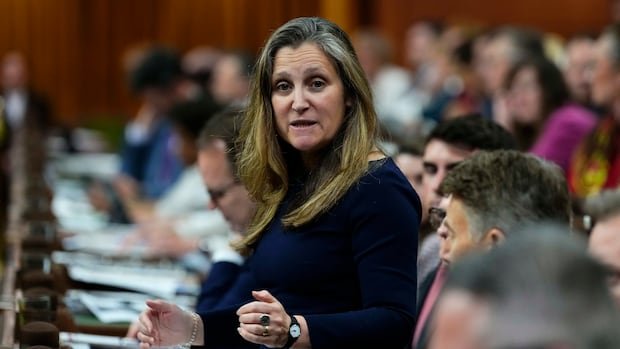
Former cabinet minister Chrystia Freeland has officially resigned from her seat in the House of Commons, leaving the Liberal government one MP short as they aim for a potential majority. This departure adds to the ongoing changes in the House of Commons since December. The Liberals gained an extra seat when former Conservative Michael Ma switched to their party on the last sitting day, along with Chris d’Entremont’s previous defection in November.
With Freeland’s exit, the Liberal government is temporarily down a seat, despite her former riding being a secure one for the party. The Speaker of the House of Commons must notify the chief electoral officer of the vacant seat, triggering a period of 11 to 180 days for a byelection to be called.
According to Elections Canada, the earliest possible date for a byelection is March 2, with a minimum campaign duration of 36 days. The recent confidence vote on the Liberals’ main budget motion highlighted the significance of each vote in the current Parliament. Another confidence vote is expected during the winter session on spending estimates by the end of March.
Meanwhile, former minister Chrystia Freeland has agreed to advise Ukrainian President Volodymyr Zelenskyy, signaling her departure from Canadian politics. Prime Minister Mark Carney has hinted at multiple upcoming byelections, with former cabinet ministers Jonathan Wilkinson and Bill Blair likely to vacate their seats for diplomatic roles, triggering additional byelections if they resign.
Conservative MP Matt Jeneroux is also anticipated to leave his seat, while there are speculations about opposition MPs considering crossing the floor to join the Liberals. NDP MP Lori Idlout disclosed that she was approached by the Liberals but decided against crossing over for now, emphasizing the weight of her decision after numerous discussions.