
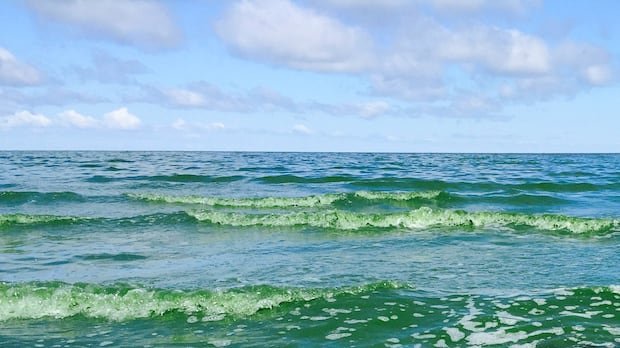
Lake Winnipeg, a freshwater basin in Manitoba, faces various environmental challenges such as zebra mussels, microplastics from wastewater, E. coli concerns, and toxic algal blooms visible from space. One aspect receiving newfound attention is the role of viruses infecting microalgae, crucial in the lake’s ecosystem.
Prof. Emily Chase, a microbiologist at the University of Winnipeg, is pioneering research on how viruses interact with Lake Winnipeg’s microalgae. These single-celled organisms, often forming blue-green films with neuro-toxins, are essential in the lake’s food chain, starting from algae harvesting energy from the sun to fish consumption.
Understanding virus dynamics is crucial amidst climate change concerns affecting the lake’s ecosystem balance. Researchers like Chase believe viruses may impact algal bloom collapse, potentially affecting water quality for recreational activities and fishing.
Drawing on her algae-virus work in the Mediterranean Sea, Chase warns of parallels with Lake Erie, which has seen declining ice cover. This loss could jeopardize walleye stocks and tourism, emphasizing the need to study virus-algae interactions for climate change modeling and Lake Winnipeg’s future.
Scott Higgins, from the International Institute of Sustainable Development, highlights the significance of Chase’s research in preparing Manitoba for potential changes in Lake Winnipeg. Exploring how viruses influence algal bloom collapses could offer crucial insights into mitigating environmental risks in the face of climate change challenges.