
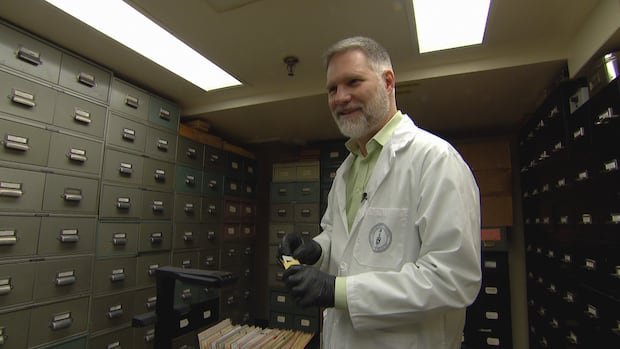
A distinctive assortment of tiny fungi crucial for Canadian medical research and biodiversity studies has been safeguarded from being relocated overseas. The UAMH Centre for Global Microfungal Biodiversity has secured a generous $1 million contribution from the Weston Family Foundation, ensuring its retention in Canada for domestic utilization.
Expressing their commitment to fostering innovation and education, the Weston Family Foundation emphasized the long-term significance and collective benefits of preserving this exceptional biobank. Ayush Kumar, a devoted researcher at the University of Manitoba who has extensively utilized specimens from the collection in his quest for novel antibiotics, expressed his elation that this invaluable resource will continue to be housed in Canada.
James Scott, the director of the fungal biodiversity center at the University of Toronto, was astonished by the donation, estimating that it will provide interim funding for approximately five years, enabling the center to develop a sustainable strategy for its enduring presence in Canada.
The collection, touted as the largest repository of medically significant fungi in the Western Hemisphere, houses nearly 12,000 specimens from 3,200 species worldwide, accessible to Canadian researchers and entities. These fungi, including disease-causing strains affecting humans and animals, play a crucial role in the pursuit of new pharmaceuticals and remedies, especially amidst evolving environmental conditions.
The funding shortage faced by the collection in 2024 prompted concerns about its continuity, leading to collaborative efforts to secure its future. Following media coverage of the biobank’s plight, the Weston Family Foundation stepped in, offering financial support to ensure its ongoing operation. The foundation’s involvement has not only saved the biobank but also encouraged its outreach to a broader audience, aiming to enhance accessibility to its valuable specimens.
With plans to enhance online cataloging and accessibility of its specimens, the Centre for Global Microfungal Biodiversity is exploring avenues to increase revenue through user fees and establish an endowed fund to cover its operational expenses. This proactive approach reflects a strategic shift towards sustainability and broader engagement within the scientific community.