
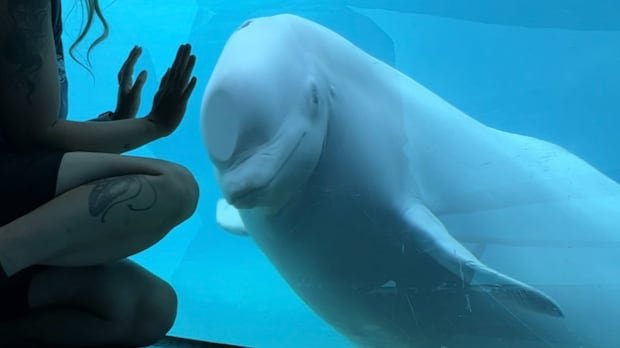
Canadian Fisheries Minister Joanne Thompson has expressed confidence in Marineland’s proposal to transfer 34 marine mammals to aquariums in the United States, indicating that the relocation of belugas and dolphins from the closed amusement park in Niagara Falls, Ontario, is gaining traction. However, animal advocates are raising concerns over Ottawa’s conditional approval for the animals’ relocation, fearing potential exploitation for breeding and performances at their new destinations.
The relocation initiative involves moving 30 belugas and four dolphins to reputable facilities with high animal welfare standards, as stated by Thompson in an interview with CBC News. The designated aquariums considering taking in the animals include Shedd Aquarium in Chicago, Georgia Aquarium in Atlanta, Mystic Aquarium in Connecticut, and a SeaWorld establishment, all of which are accredited by Accredited Zoos and Aquariums (AZA).
Thompson outlined two key conditions that Marineland must meet to secure export approval for the animals. These conditions involve a health assessment by accredited veterinarians for the belugas and dolphins, as well as a thorough transportation plan. Additionally, the receiving facilities must provide adequate health support for the animals post-relocation to ensure their well-being.
The move comes after ongoing concerns regarding the well-being of the marine mammals at Marineland, where 20 whales, including one orca and 19 belugas, have died since 2019. The park ceased public operations in late 2024 amid controversies surrounding the living conditions and performances involving the animals. Notably, a federal law implemented in 2019 prohibits the breeding or entertainment use of whales, dolphins, and porpoises. Exporting these animals necessitates special federal permits, which can be granted by the fisheries minister under specific circumstances.
As the decision on export permits for Marineland is under scrutiny, Camille Labchuk, the executive director of Animal Justice, emphasizes the importance of imposing strict conditions to prevent the animals from being exploited for entertainment or breeding purposes at their new locations. Labchuk advocates for the animals to be transferred to sanctuaries or facilities that align with Canadian regulations to ensure their welfare is prioritized.
Despite hopes for the belugas to join a proposed whale sanctuary in Wine Harbour, Nova Scotia, delays in construction and fundraising challenges have led to uncertainties regarding this option. Meanwhile, discussions on potential breeding and performances at the U.S. facilities await clarification, with considerations on how the marine mammals will be managed under the legal frameworks of each state.
Former Marineland trainer Kristy Burgess expresses support for the relocation plan, acknowledging the superior facilities proposed in the United States for the animals’ well-being. Burgess believes that safeguards will be in place to prevent breeding activities and underscores the urgency of securing a new home for the marine mammals to prevent euthanasia threats issued by Marineland. She urges activists to allow the relocation process to proceed smoothly, emphasizing the need to prioritize the animals’ transition to a safer environment.