
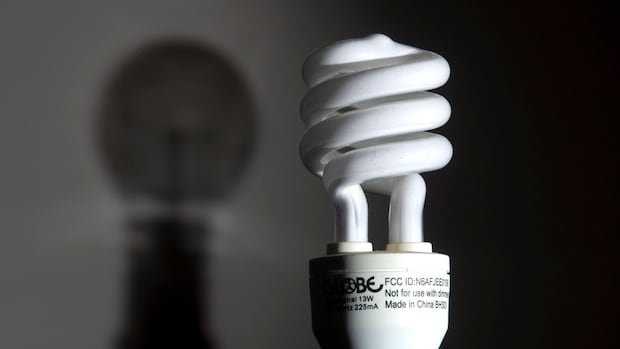
The beginning of the new year in Canada brought about a ban on the import and manufacturing of compact fluorescent light bulbs containing mercury, effective January 1. This ban, implemented by Environment and Climate Change Canada, is in alignment with Canada’s commitment to the Minamata Convention on Mercury. The move aims to phase out mercury-containing lamps to prevent the accumulation of mercury in the food chain, which can be harmful to humans and wildlife.
Compact fluorescent light bulbs, commonly used in household lamps, are now prohibited, while long fluorescent tubes in industrial or commercial settings are not affected by the ban. Retailers are given until 2030 to sell their existing stock of compact fluorescent light bulbs.
In place of fluorescent bulbs, the spotlight is now on Light Emitting Diodes (LEDs), which are considered more energy-efficient, longer-lasting, and environmentally friendly. LEDs have evolved significantly over the past decade, becoming more cost-effective and superior in quality compared to traditional incandescent and fluorescent lighting options.
Professor Olivier Trescases from the University of Toronto emphasizes the benefits of LEDs, highlighting their energy efficiency, longevity, superior light quality, and mercury-free composition. The evolution of environmentally friendly technologies, such as LEDs, reflects a broader trend towards sustainable and efficient solutions in various sectors.
Proper disposal of old fluorescent bulbs containing mercury is crucial to prevent environmental contamination. Collection sites, including recycling depots and hazardous waste programs, are available for the safe disposal of these bulbs. The transition to LEDs not only enhances energy efficiency but also contributes to reducing environmental impact and promoting sustainability.
The adoption of LEDs represents a positive step towards a more sustainable and environmentally conscious future. The ongoing advancements in lighting technology underscore the importance of embracing eco-friendly alternatives to create a greener and healthier world for all.